3D Rendering for Interior Design vs. Mood Boards: Which Should Prefer?

Interior design is all about showing your ideas. You want your client to see what you’re thinking. That way, they can feel confident and say yes. For years, designers used mood boards to share ideas. But in 2025, more clients are asking for 3D rendering for interior design instead. Why? Because it shows the full picture.
Let’s look at the difference and what clients really prefer today.
What Is a Mood Board?

A mood board is a group of photos, colors, and textures. It gives the feeling of your design. You can use magazine cutouts, fabric samples, or digital tools like Pinterest.
Mood boards are fast and fun to make. They work well in the early stages of a project. But they don’t always show what the final space will really look like.
What Is 3D Rendering for Interior Design?
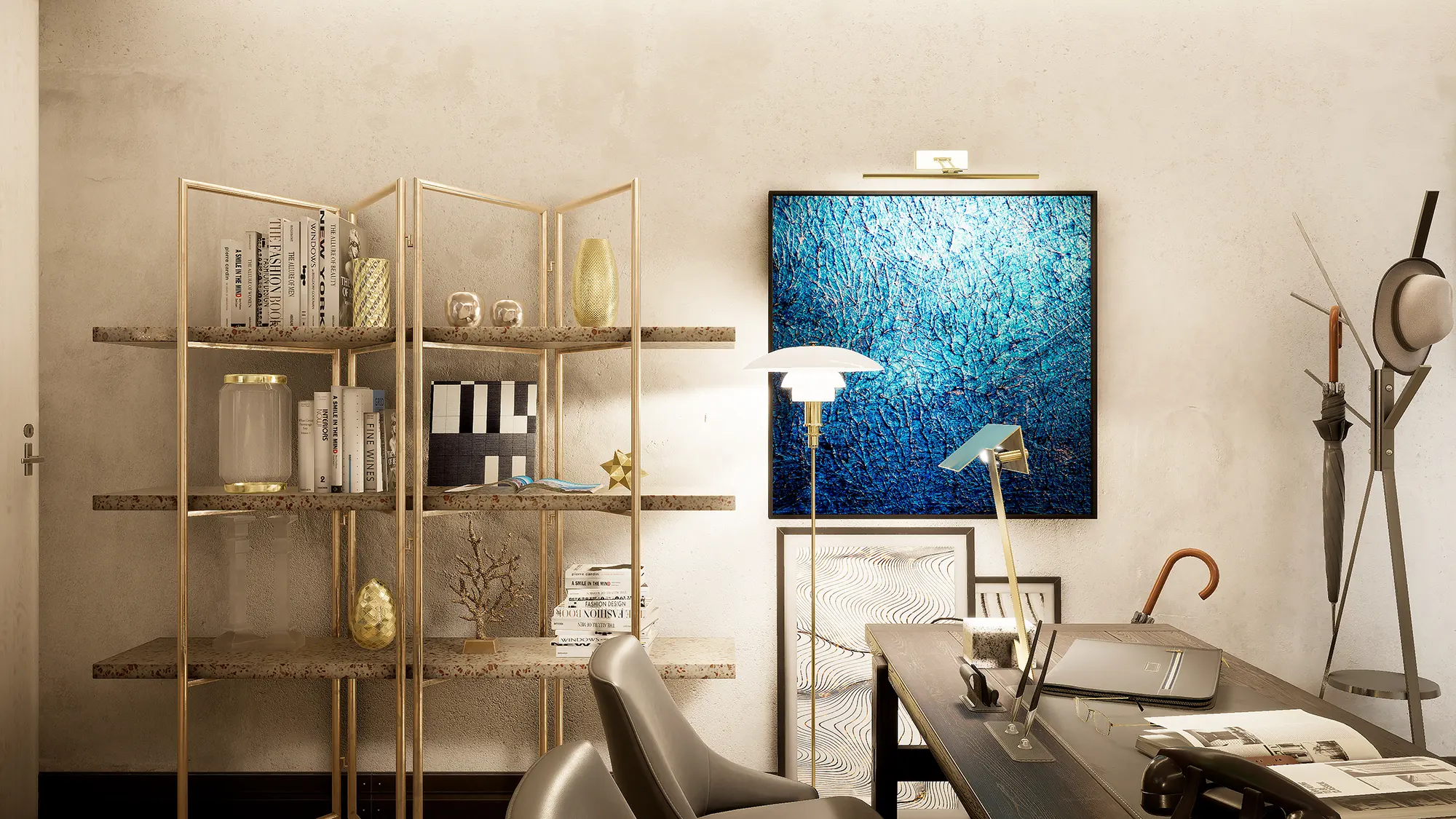
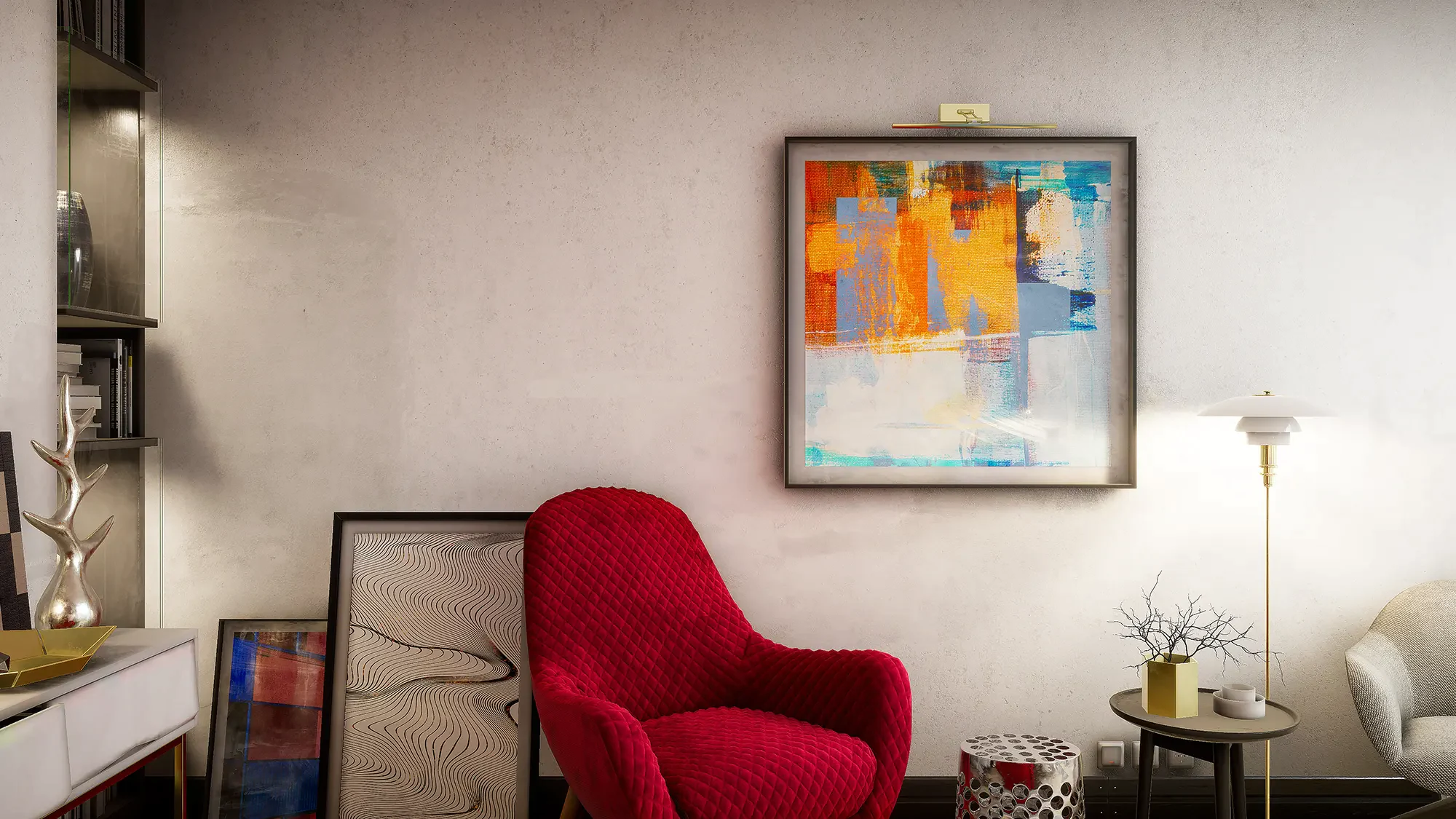
3D rendering for interior design shows the room as a real space. It’s made on a computer, but it looks just like a photo. You can show the lights, furniture, layout, colors everything.
Clients can see the design clearly, and they don’t need to imagine how it will turn out.
What is the key diferences of Mood Boards vs 3D Rendering?
Let’s break it down:
| Feature | Mood Board | 3D Rendering |
|---|---|---|
| Look | Simple and flat | Realistic and detailed |
| Style | General vibe | Full design |
| Easy to understand | No | Yes |
| Good for feedback | Sometimes | Always |
| Tools used | Canva, Pinterest | Interior software, rendering tools |
In short: mood boards show ideas, but 3D renderings show the real vision.
Why Clients Prefer 3D Rendering for interior design in 2025
In 2025, people want fast answers. They also want to know exactly what they’re getting. That’s why more clients prefer 3D renderings. Here’s why:
1. It Feels Real
Clients can see their space as if it’s already built. They feel sure about the choices.
2. It Saves Time
3D images make it easier to get quick feedback. No need for long emails or confusing notes.
3. It Helps With Changes
Want to try a new color or sofa? Change it in the 3D view and show your client in minutes.
4. It Looks Better in Presentations
Designers use 3D to pitch projects or post on social media. These tools help you stand out.
Want to explore how technology is changing design even more? Check out our post on AI in Interior Design.
When Mood Boards Still Work
Don’t worry, interior design mood boards still have value. They help early in the design process. Use them when you’re just getting started or trying out different styles.
Once you and the client agree on the style, move to 3D. That’s where the real magic happens.
How to Present Interior Design to Clients Now
Here’s the best way to do it now:
Start with a mood board. It sets the tone.
Use 3D rendering to show the full design.
Walk your client through both. This gives them the full picture.
This method makes you look professional. It also helps your client feel included and happy.
Final Thoughts
So, mood board vs 3D rendering, which is better?
In most cases, 3D rendering for interior design is what clients want in 2025. It shows the full space, gives faster feedback, and helps you win trust.
Mood boards are still useful, but don’t stop there. Use both tools to give your client the best experience.
Need 3D visuals for your next interior project?
SolidRender helps designers show their work clearly. Our 3D interior renderings make your ideas real before anything is built.