The PhotoRealistic House Rendering Checklist: 5 Details That Win Over Clients & Investors
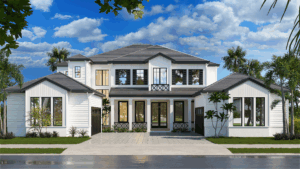
A multi-million dollar architectural project can hinge on a single image. In today’s market, a “good enough” 3D render doesn’t capture attention; it gets scrolled past. What you need is an image that stops the scroll, evokes emotion, and makes a potential buyer feel like they’re already home. Achieving this requires a truly photorealistic house rendering, and the secret isn’t just in the software, it’s in a strategic obsession with the details that trick the human eye into believing.

Many can create a 3D model, but few can craft a business asset that drives sales and secures investments. This guide isn’t just a list of features. It’s a look into our strategic framework at SolidRender for turning a technical drawing into a powerful sales tool. We’ll explore the five key details that are crucial for making 3d renders look real and delivering a tangible return on your investment.
1. Light is Not an Effect, It’s the Storyteller
The Common Mistake: Simply choosing “day” or “night.” Most rendering services treat lighting as a simple switch, resulting in flat, lifeless images that fail to convey any specific mood.
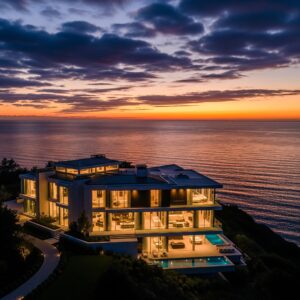
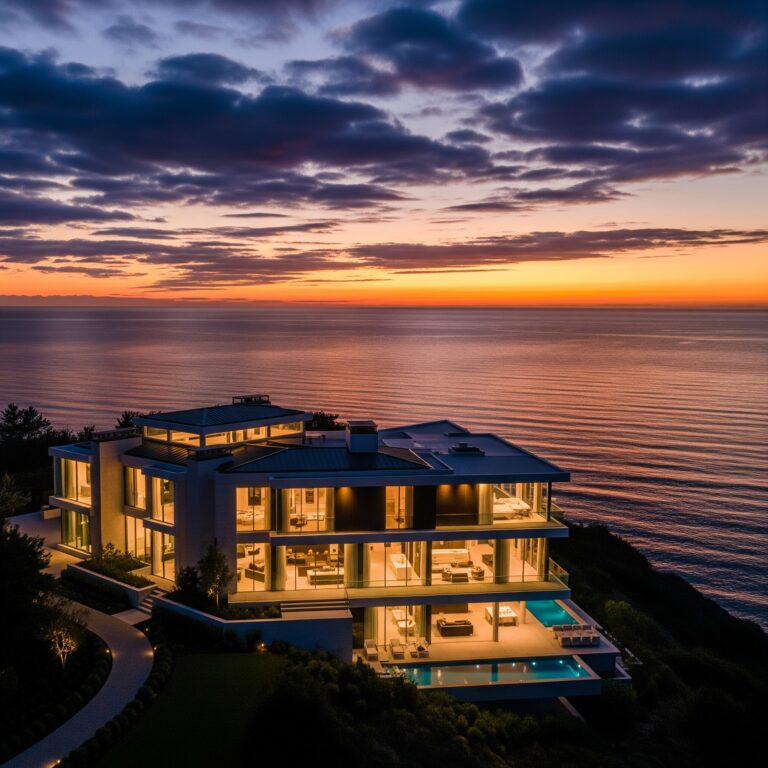
The Expert Approach: We treat light as the main character in the story of your property. Light dictates emotion. The soft, warm glow of “golden hour” can make a property feel luxurious, serene, and welcoming. The crisp, clear light of a summer afternoon can highlight sharp architectural lines and make a space feel vibrant and energetic. The right lighting strategy is about defining the exact emotional response you want from your audience.
The Business Impact: You aren’t just selling a building; you’re selling a lifestyle and a feeling. By strategically choosing the lighting, we help you sell the dream of a peaceful evening on the patio or a bright morning in the garden. This emotional connection translates directly to a higher perceived value and a faster sales cycle.
2. Materials Must Have a History
The Common Mistake: Using clean, perfectly repeating textures that make wood look like plastic and brick look like wallpaper. This is an immediate sign of an amateur render.
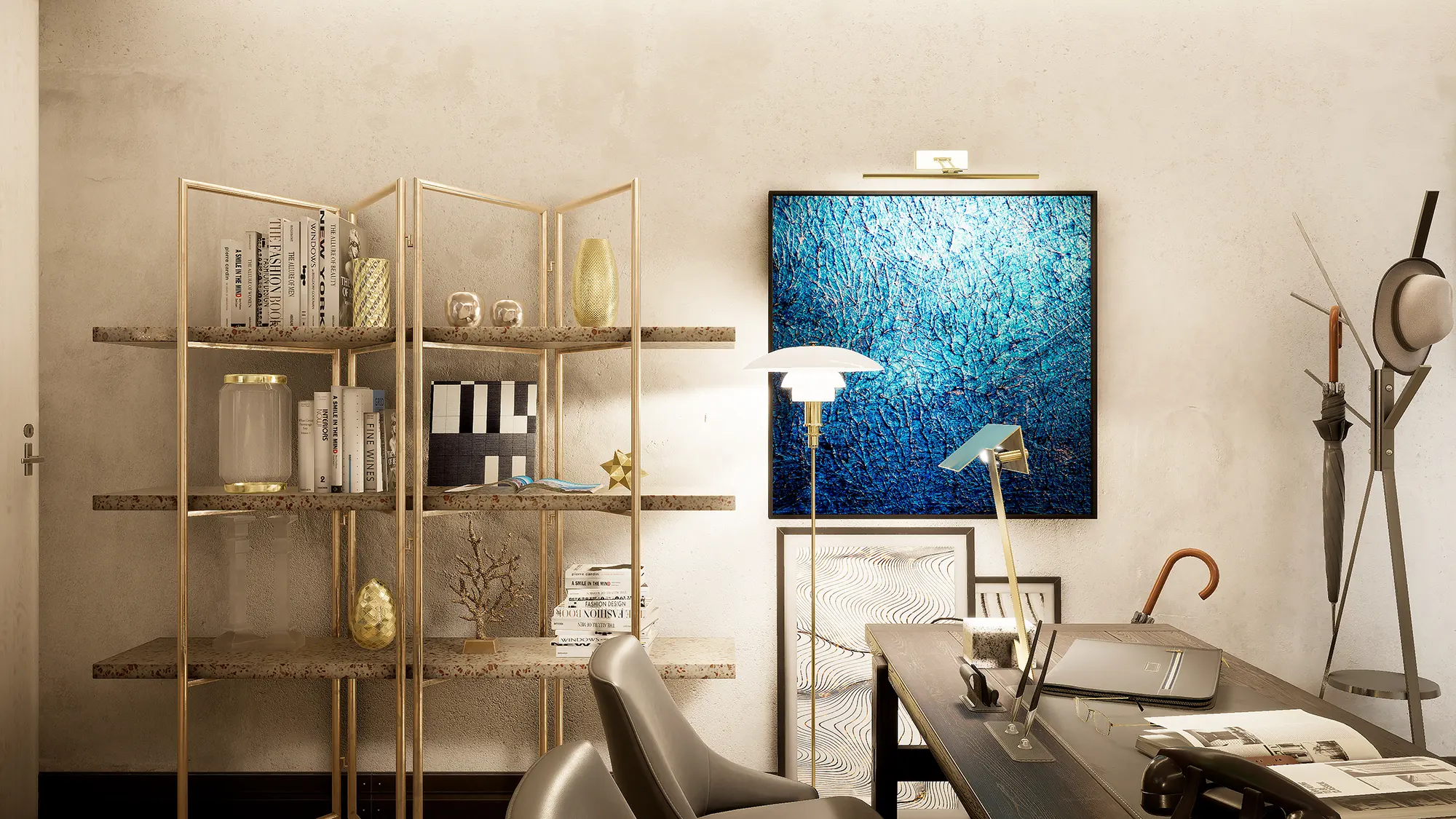
The Expert Approach: We believe authentic materials tell a story of quality. The real world isn’t perfect, and that’s what makes it believable. We focus on the critical photorealistic rendering details, the unique grain in each wooden plank, the subtle color variations in the stone facade, the slight sheen on brushed metal fixtures. Using Physically Based Rendering (PBR) workflows, we ensure that every surface reacts to light exactly as it would in the real world.
The Business Impact: Authenticity builds subconscious trust. When a potential buyer or investor can virtually feel the texture of the materials, they believe in the quality of the proposed construction. This level of detail communicates a commitment to excellence before a single brick is laid, making it easier to secure financing and pre-sales.
Mastering these surfaces is an art in itself. For a deeper dive, you can read our guide on the specific techniques for creating hyper-realistic textures.
3. The Environment is a Character, Not a Backdrop
The Common Mistake: Placing the building on a generic, perfectly green lawn with a few random, out-of-place trees. The property feels like it’s floating in a void, disconnected from reality.
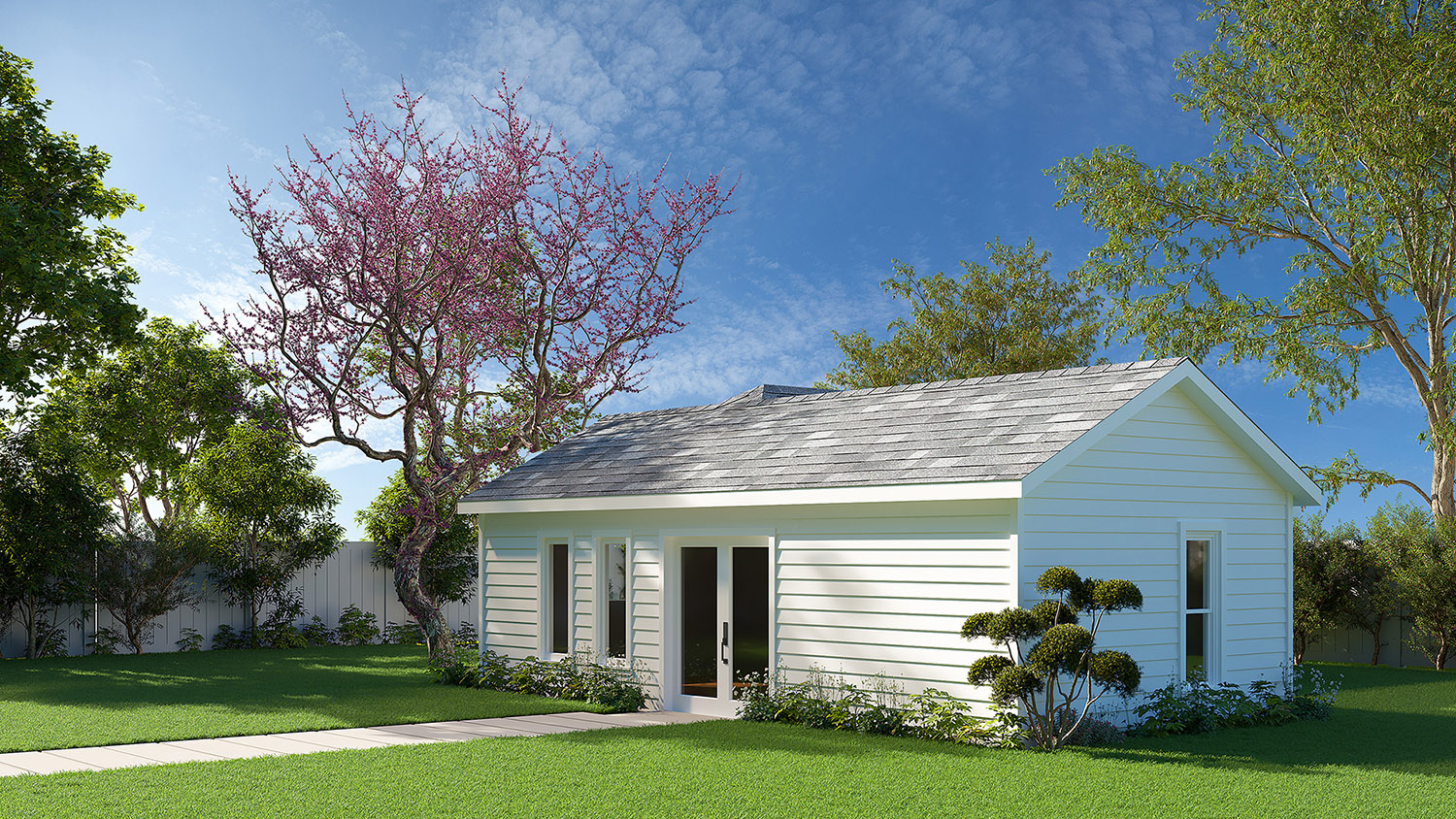
The Expert Approach: A building needs a world to live in. We build a complete, believable ecosystem around your project. This means using geographically appropriate 3D foliage, creating realistic terrain, and considering how the environment interacts with the building. Does the driveway have a few scattered autumn leaves? Is the grass slightly longer near the edges? These details ground your project in a specific place and time.
The Business Impact: You help buyers envision their entire life, not just their house. A property nestled in a believable landscape feels more established, desirable, and valuable. It allows you to sell the benefits of the location, the privacy of the surrounding trees, the beauty of the manicured garden which are powerful drivers in a purchasing decision.
4. Imperfection is the Signature of Realism
The Common Mistake: Creating a sterile, impossibly perfect scene where every surface is spotless and every object is perfectly aligned. This feels cold, unrelatable, and ultimately, fake.
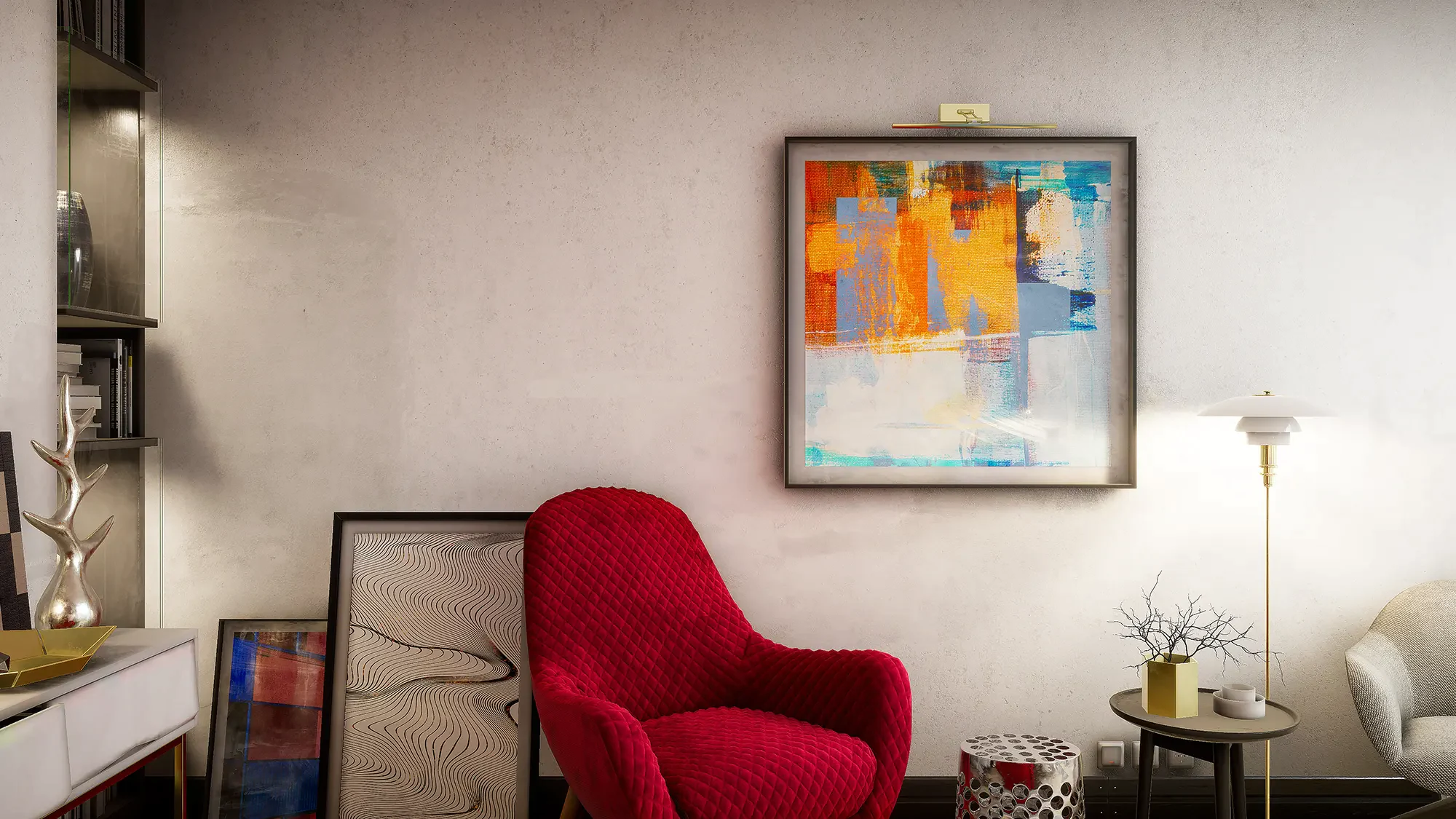
The Expert Approach: This is one of the most vital architectural visualization tips from industry experts. We strategically introduce subtle, realistic imperfections that trick the brain into accepting the image as a photograph. This could be faint condensation on a windowpane, the gentle ripple of water in a swimming pool, or a slightly rumpled cushion on a patio chair. These are the details that breathe life into a scene.
The Business Impact: Perfection is admirable, but it isn’t relatable. These subtle imperfections make a space feel lived-in, warm, and attainable. It breaks down the barrier between the viewer and the image, allowing them to more easily picture themselves in the space. This emotional resonance is key to converting a prospect into a buyer.
5. The Camera is Your Client’s Eye
The Common Mistake: Using generic, straight-on, eye-level camera angles that do nothing to highlight the architecture’s strengths. It’s the equivalent of taking a passport photo of a supermodel.
The Expert Approach: We think like architectural photographers, not 3D technicians. We use professional principles of composition, focal length, and depth of field to create dramatic, compelling shots. We guide the viewer’s eye, create a sense of scale, and intentionally frame the view to highlight the project’s most unique and valuable selling points.
The Business Impact: A strategic camera angle maximizes your marketing impact. The right composition can make a space feel larger, emphasize a stunning view, or create a powerful sense of arrival. We ensure that every single image is crafted to tell the most compelling story possible, ensuring your marketing materials work as hard as you do.
The SolidRender Difference: A Partner in Your Vision
Understanding these details is one thing; executing them flawlessly on every project is another. We don’t just create images; we craft strategic visual assets designed to achieve your business goals. A truly photorealistic house rendering is a collaborative process where we become an extension of your design and marketing team.
We combine technical artistry with a deep understanding of what motivates buyers and investors. Our process is built around turning your architectural plans into a powerful emotional and financial argument for your project.
When these details are combined, they create a powerful asset. To see how this level of quality directly impacts sales, learn more about the role of photorealistic 3D rendering in real estate marketing.
Ready to see your project through a new lens?
Explore more about our Residential Rendering Services and get a free project consultation today.