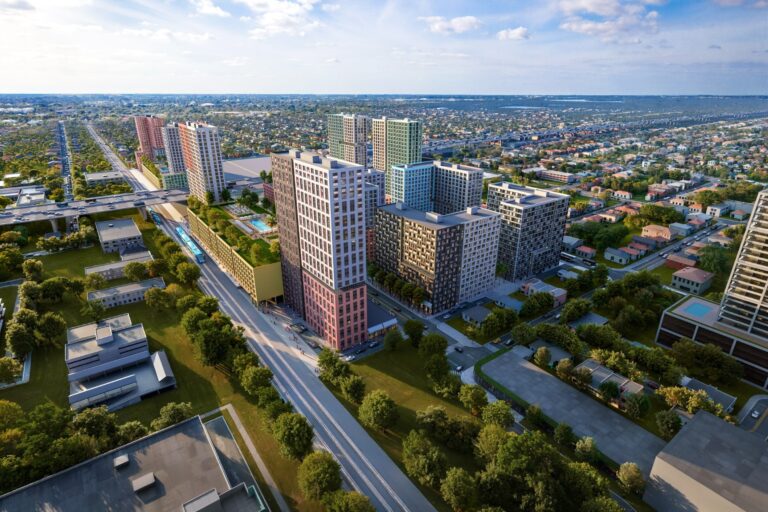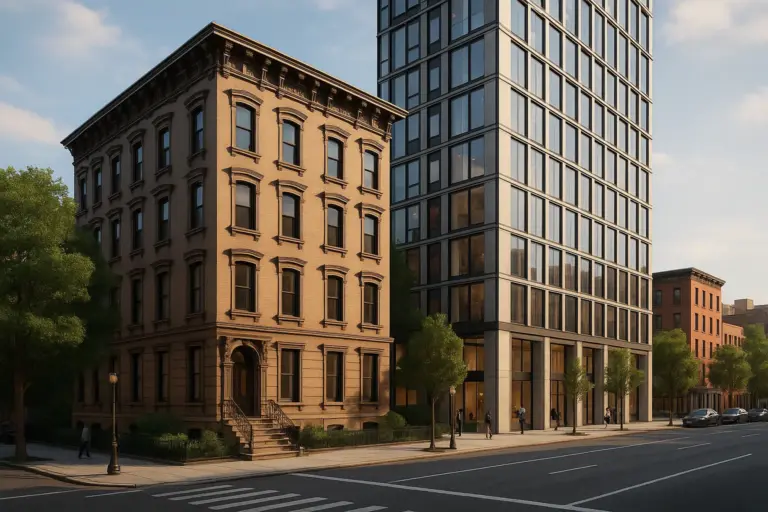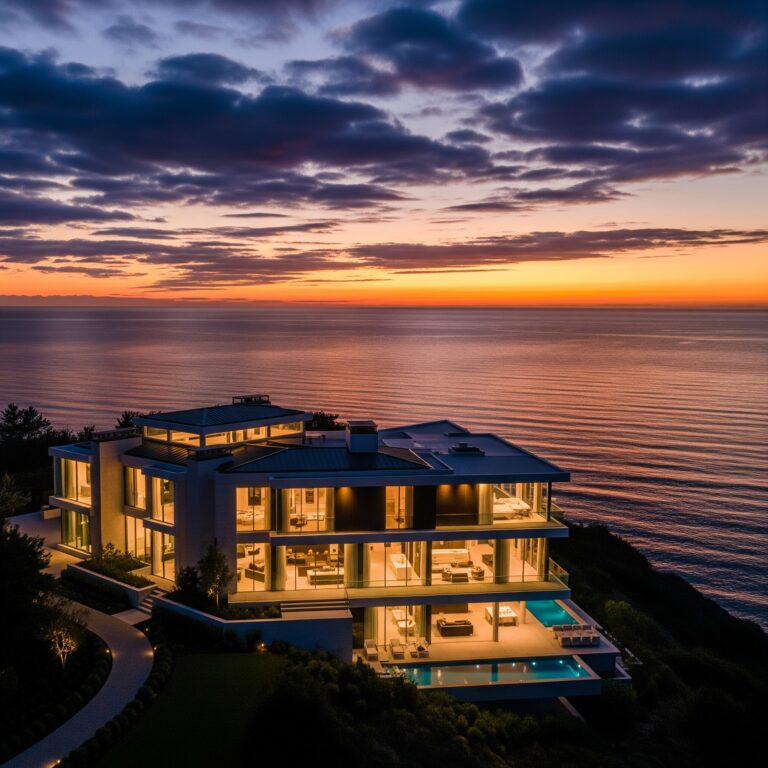
You’ve been there. You’re in a big client meeting. You’ve got your 2D floor plans, your elevations, and even a set of beautiful, photorealistic 3D renders. They look amazing. The client nods, impressed.
But then the questions start.
“What will the energy bill look like in July?” “How will the lobby feel with 50 people in it?” “What happens if we use a different kind of glass on the south side?”
Your renders show how it looks. But they can’t show how it works.
This is the gap where projects face delays, go over budget, and miss the mark. But what if you could do more? What if you could give your client a living, breathing, digital version of their building, a model they could test, question, and learn from before a single shovel hits the ground?
That’s the promise of digital twin architecture.
It’s a big topic, and it sounds complex. But it’s surprisingly simple in concept. And it’s quickly must-have tool for top architects, builders, and developers.
In this guide, we’ll break it all down. We’ll answer the core question, what is a digital twin in architecture? We’ll explore the huge benefits of digital twin technology and clarify the digital twin vs. 3D model debate once and for all.
What Is a Digital Twin in Architecture, Anyway?
Think about the dashboard in your car. It tells you your speed, your fuel level, and your engine temperature. It’s a digital summary of your car’s real-world condition, right now.
A Digital Twin is a living, dynamic, and data-rich 3D model of a real-world building.
A digital twin is that, but for a building.
The key word here is living.
A 3D render is a static picture.
A digital twin is a dynamic mirror.
It’s connected to the real building (or a virtual model of it) using sensors and data. This connection flows both ways. The real building sends data to the model, and the model can be used to test new ideas that are then applied to the real building.
It’s not just a model of the building; it’s a model with the building. It has a pulse and it knows the temperature in the conference room. It knows how many people used the east entrance and it knows the ‘health’ of the HVAC system.
This single idea is changing everything from design and construction to how a building is managed for its entire 50-year lifespan.
Digital Twin vs. BIM vs. 3D Model: What’s the Real Difference?
This is the most common point of confusion, and it’s a fair question. You’re already using 3D models and maybe even BIM (Building Information Modeling). Why is this different?
Let’s break down the digital twin vs. 3D model confusion with a simple “House Analogy.”
1. The 3D Model (The “Photo”)
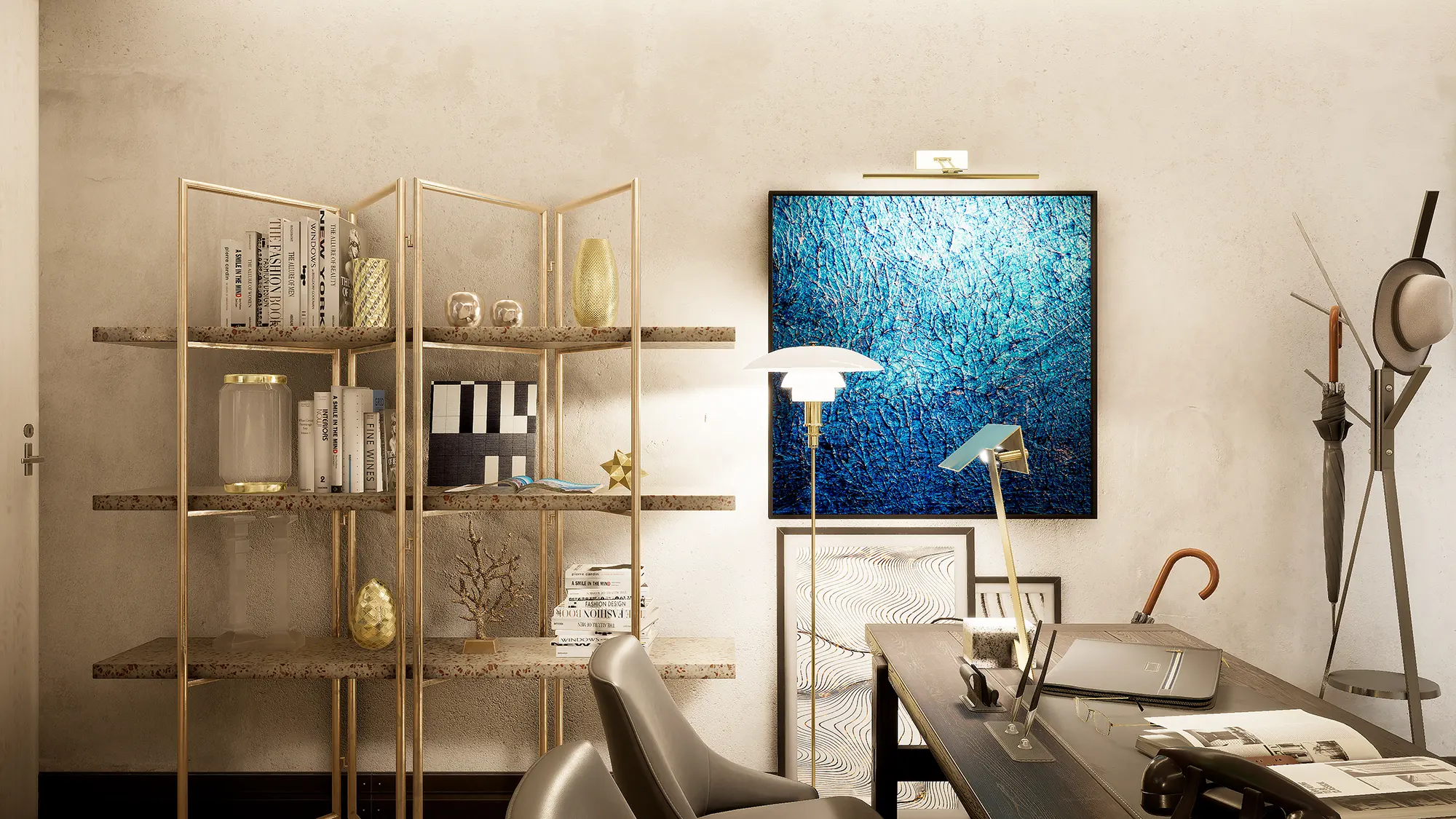
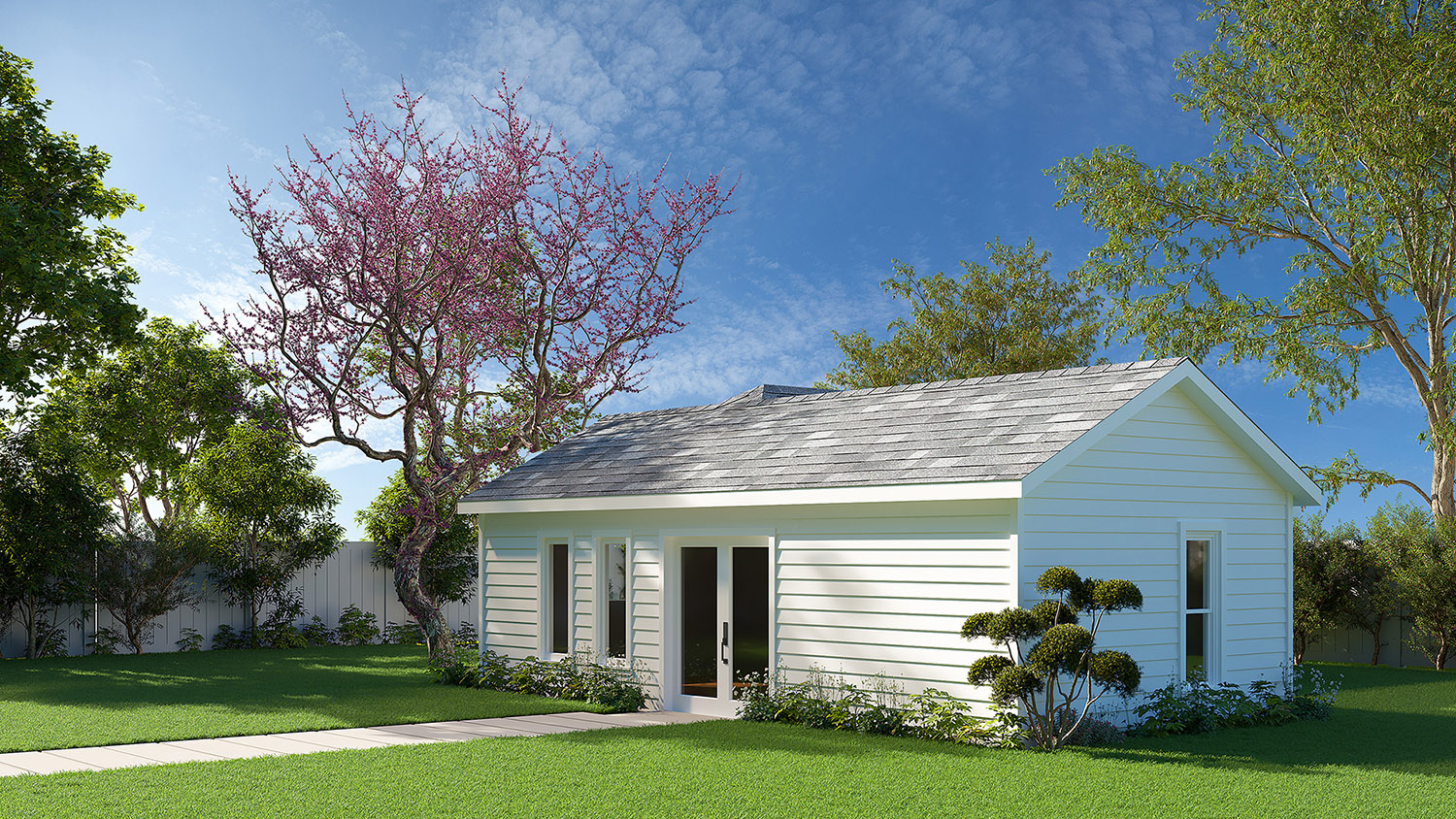
A 3D model, even a stunning, photorealistic render like the ones we create at SolidRender, is like a beautiful, professional photograph of a house.
What it is: A visual representation. It shows the shape, scale, materials, light, and shadows.
Its Job: To help people see the design and feel an emotional connection. It’s perfect for marketing, client presentations, and design approval.
Its Limit: It’s static. It’s a snapshot. You can’t click on the window and see its U-value or its supplier. You can’t ask it what the temperature is.
2. The BIM Model (The “Blueprint & Spec Sheet”)
A BIM model is like the full set of architectural blueprints plus a detailed specification binder for the house.
What it is: A 3D model filled with data.
Its Job: To be a single source of truth for the design and construction teams. You can click on that window and see its U-value, its manufacturer, its cost, and its installation date.
Its Limit: The data usually stops (or becomes outdated) the moment the building is finished. The BIM model knows what should be there, but it doesn’t know what’s actually happening in the building right now.
3. The Digital Twin (The “Live Home Dashboard”)
The digital twin is the house, the blueprints, and the spec sheet all connected to a live feed from the real, finished house.
What it is: The BIM model connected to the physical building with IoT (Internet of Things) sensors.
Its Job: To mirror the building’s entire life. It’s a living simulation.
How it Works: Sensors in the real building (measuring temperature, occupancy, energy use, etc.) send data to the digital twin in real-time. The 3D model changes to reflect that data.
Here’s the payoff: You can look at your dashboard and see that the “real” house is too hot in the living room. You can then use the digital twin to test a solution. “What if we lower the blinds?” You run the simulation, and the twin tells you, “That will save you $50/month in energy.” You then click a button, and the real smart-blinds in the real house lower.
That’s the difference. 3D models and BIM are about planning and building. A digital twin is about living and operating.
How Digital Twin Technology Connects the Virtual and the Real
So, how does this magic actually happen? The digital twin technology stack can seem complex, but it boils down to four simple layers.
The Physical Building: This is the real-world asset. It has rooms, pipes, wires, and people.
The Sensors (The “Nerves”): These are the IoT devices installed in the physical building. They are the “nerves” that feel what’s happening. This includes thermostats, security cameras, motion detectors, energy meters, and even employee keycard scanners.
The 3D Model (The “Body”): This is the high-fidelity, dimensionally accurate 3D model of the building (often built from the final BIM data). This is the visual interface, the “body” that gives all the data a physical form you can understand.
The Platform (The “Brain”): This is the software that pulls in all the data from the sensors and maps it onto the 3D model. It often uses AI and machine learning to analyze the data, run simulations, and find patterns you would never see on your own.
You don’t just see data (a spreadsheet). You see the story the data is telling (a 3D model showing the 3rd-floor conference room is red-hot and wasting energy every Friday).
The Real-World Benefits of Digital Twin Architecture
This is the “so what?” for architects, builders, and developers. Why go through this effort? The benefits of digital twin technology touch every single stage of a building’s life.
Benefits During Design (For Architects)
Test, Don’t Guess: You can simulate everything. How will a crowd of 500 people move through your lobby design? What’s the real energy performance of one glass type versus another? Your digital twin gives you answers backed by data, not just intuition.
Better Collaboration: The twin becomes a “single source of truth” that the architect, engineer, and client can all look at. When you make a change, everyone sees its impact instantly, from cost to energy use.
Win More Bids: Imagine walking into a client meeting. Your competitor shows a 3D render. You pull up a living simulation of the building, change the time of day, and show the client exactly how the light will move through their office. You win.
The Benefits During Construction (For Builders)
See the Unseen: By combining the digital twin with 4D (time) and 5D (cost) data, you can watch the entire construction sequence virtually. You can spot a conflict like a plumbing pipe scheduled to go where an HVAC duct is months before it happens on-site.
Real-Time Progress Tracking: Use drones and laser scanners to scan the real-world site, then overlay that scan on the digital twin. You can see immediately if a wall was built in the wrong place or if you are on schedule.
Safer Job Sites: Monitor the location of workers and heavy machinery through the twin. You can set up alerts for “no-go” zones or identify potential hazards before they cause an accident.
Benefits After Handover (For Developers & Owners)
This is the biggest game-changer. For developers, a digital twin isn’t just a cost; it’s a new source of revenue and massive savings.
Predictive Maintenance: The twin doesn’t just tell you an AC unit is broken. It tells you it’s going to break next week because its performance is 15% below normal. This is the end of costly emergency repairs.
Huge Energy Savings: The twin can see that the west side of the building is empty every morning but the lights and AC are on full blast. It can suggest or even automatically execute a new, smarter energy schedule, saving thousands.
Smarter Space Management: See how your building is actually used. That giant conference room? The data shows it’s only used by 3 people at a time. Maybe it’s time to split it into smaller, more valuable huddle rooms.
A Better Tenant Experience: Give your tenants an app that connects to the twin. They can find the nearest empty meeting room, report a “too cold” office, or find their way around, all from their phone.
Why a Digital Twin Is Your New Competitive Advantage
Let’s bring this back to your business. This technology isn’t just a cool gadget. It is a fundamental change in how we design, build, and operate.
Firms that adopt digital twin architecture will have a massive, undeniable competitive advantage.
You Will Win More Work: You will walk into pitches with a tool your competitors don’t have. You can prove your design is more efficient, more comfortable, and more valuable.
You Will Be More Profitable: By catching errors in the design phase, you will save millions in construction change orders and delays.
You Will Build Better Buildings: Your projects will perform better in the real world. They will be more sustainable, cheaper to run, and more enjoyable for the people inside.
You Will Create New Services: As an architect or developer, you can now offer new services after the building is built. You can sell “Building Optimization as a Service,” using the digital twin to help your client manage the building for years.
This technology bridges the gap between your promise (the render) and the proof (the real, high-performing building).
Your Journey to a Digital Twin Starts with a Perfect Model
All this powerful digital twin technology, the sensors, the AI, the simulation all of it rests on one, single foundation:
A high-fidelity, dimensionally accurate, and photorealistic 3D model.
You can’t have a “living mirror” if the mirror itself is warped, blurry, or inaccurate. The sensors and data need a perfect digital “body” to live inside. If the 3D model is wrong, all the data in the world is useless.
This is where SolidRender comes in.
We specialize in creating the premium, “digital-twin-ready” 3D models that form the foundation of your most advanced projects. We build architectural visualizations that are not only beautiful but also meticulously accurate.
Before you can build a smart, living building, you need to build its digital counterpart. That is the first, critical step. And it’s the step we are experts in.
The Future Isn’t Flat. Are You Ready?
Digital twin architecture is the natural evolution of our industry. It’s the moment we move from creating static “pictures” of buildings to creating living, learning, and evolving digital assets that work for us.
It solves the oldest problems in our industry, the gap between the design and the reality.
It’s no longer a question of if this technology will become the standard, but when. The firms that build this capability into their workflow today are the ones who will be leading the industry tomorrow.
The journey starts with a single, perfect model.
Ready to build the foundation for your next-generation projects?
Contact SolidRender today. Let’s discuss how our architectural rendering services can be the essential first step on your journey to digital twin architecture.