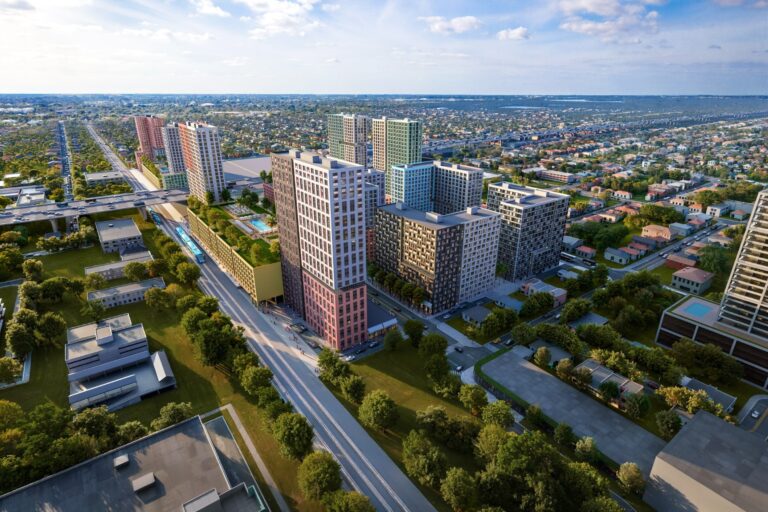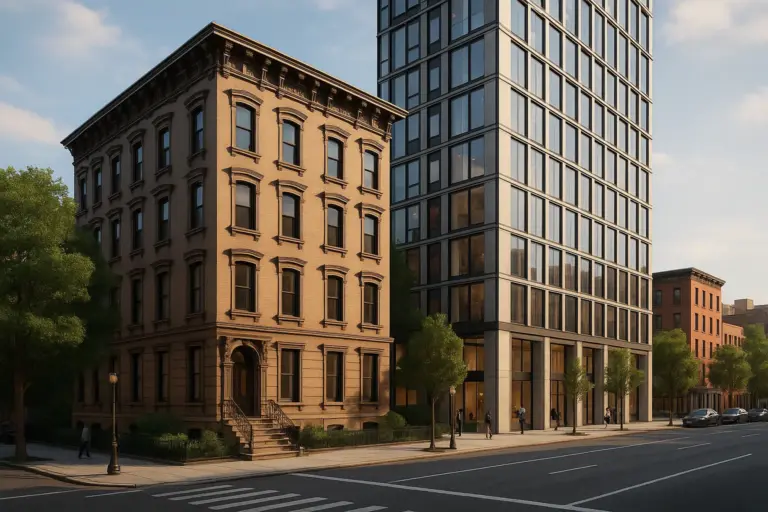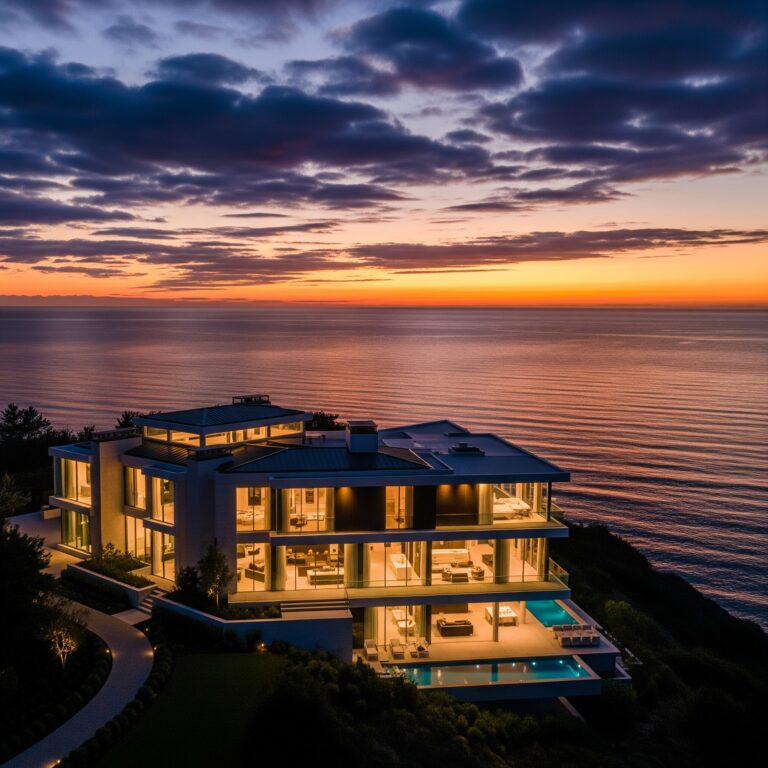
In 2026, the Florida “Gold Rush” is over, replaced by a “Flight to Quality.” For developers, the challenge is no longer just finding buyers, it’s proving insurability. The most successful projects next year won’t just be waterfront; they will be Resilient Design Luxury. As we analyze Florida real estate trends 2026, one thing is clear: The wealthy are still moving here, but their checklist has changed.
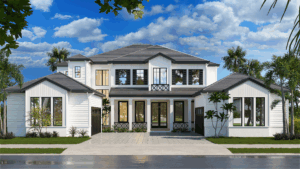
They want the ocean view, but they fear the ocean rising. At SolidRender, we help developers bridge this gap with high-end architectural rendering services in Florida. We don’t just render buildings; we render confidence.
Key Takeaways for 2026:
The “Resilience” Premium: Buyers pay 15% more for homes that visually prove they are storm-proof (elevated foundations, living shorelines).
The FIFA Effect: Miami’s 2026 World Cup hosting is bringing 1 million+ visitors, driving a massive boom in luxury short-term rental developments.
Insurance Visualization: 3D models are now essential marketing tools to demonstrate flood mitigation to insurers and investors.
The “New Luxury”: It’s no longer about gold faucets; it’s about “Biophilic” indoor-outdoor flow and wellness architecture.
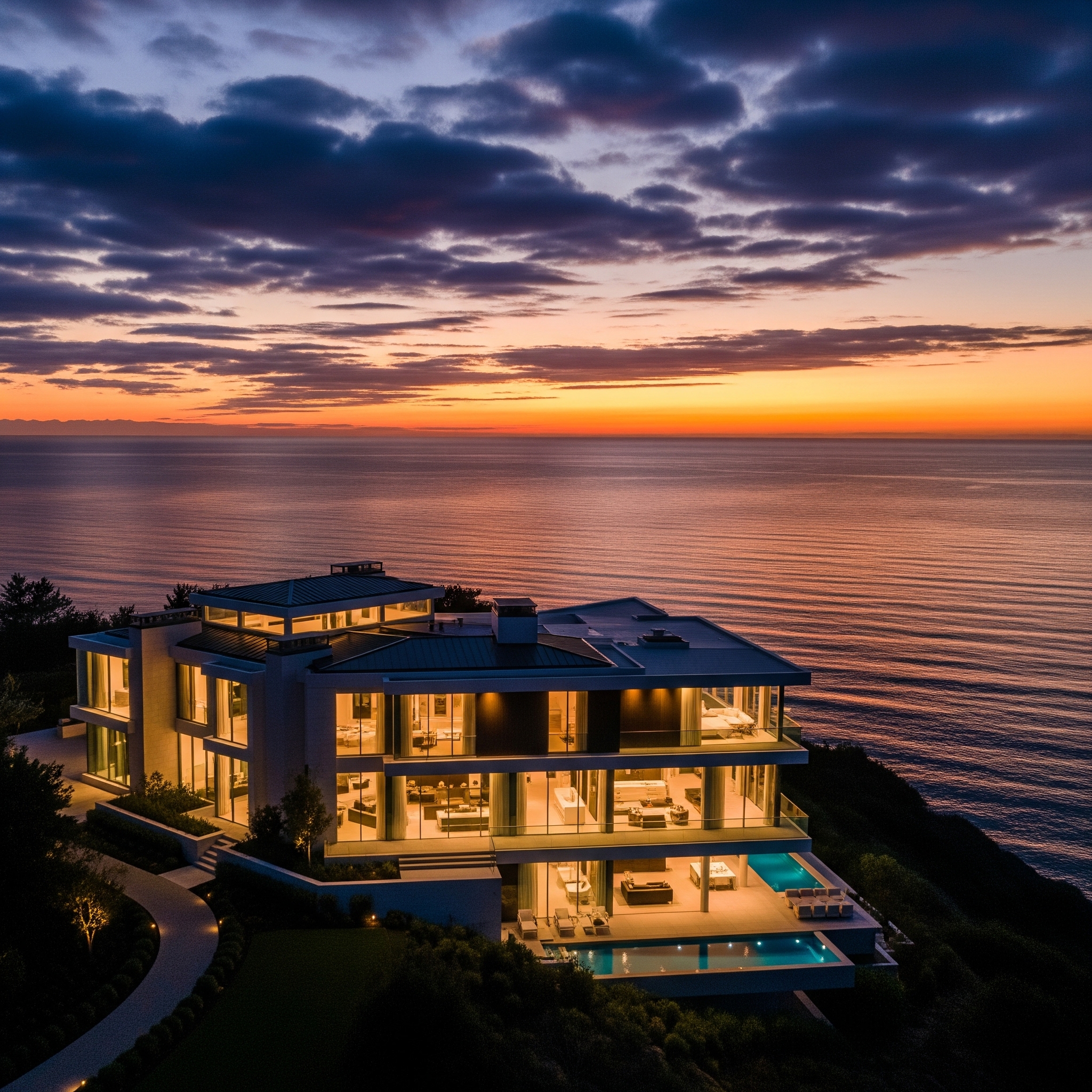
1: “Resilient Luxury”
The biggest hurdle for Florida real estate trends 2026 is the insurance crisis. With premiums expected to rise another 8% in 2026, buyers love the water but hate the risk. The solution? Resilient Luxury.
In the past, storm-proofing meant ugly concrete walls and shuttered windows. Today, it means “Managed Retreat” architecture that looks like a resort.
The “Living Shoreline” Visualization
Developers in Miami and Tampa are replacing concrete sea walls with “Living Shorelines”—terraced mangroves that absorb storm surge.
The Visualization Challenge: On a 2D blueprint, a living shoreline looks like a mess of plants. Investors often worry it will look “overgrown” or block views.
The SolidRender Solution: We render these as lush, tropical gardens. We show a “lifestyle” view where a resident is paddleboarding off their natural rock dock. By visualizing specific native plant species, we prove to investors that our Florida landscape rendering adds value, not clutter.
Elevated Foundations as “Floating” Architecture
New FEMA flood zones require homes to be elevated 10+ feet. This creates a massive aesthetic risk: the “Stilt House” look, which feels industrial and temporary.
Old Way: Exposed concrete pilings that scream “I am afraid of flooding.”
New Way: We use 3D rendering to mask the elevation. We visualize the space under the house not as a dark void, but as a luxury carport, a shaded outdoor gym, or a poolside lanai. We make the house look like it is “floating” rather than “stilted.”
Pro Tip: When marketing pre-construction condos in Miami, use renders that specifically highlight the height of the lobby relative to the street level. Subtly labeling the elevation (e.g., “Lobby Level: +14ft Above Sea Level”) on a photorealistic render signals safety to the buyer’s subconscious without you having to say a word.
2: The “FIFA World Cup” Hospitality Boom
Unlike other Florida real estate trends that move slowly, the FIFA World Cup is a fast-approaching tsunami. Miami is hosting the 2026 games, creating the single biggest catalyst for the luxury hospitality rendering market we have seen in a decade.
Economists project the event will bring over 1 million visitors to South Florida and generate $1.5 billion in economic impact. But the real opportunity isn’t the games; it’s the legacy inventory.
The “Turnkey” Investor Pitch
Investors are rushing to build boutique hotels and high-end Airbnbs (Short-Term Rentals) in Wynwood and Downtown Miami to capture this traffic. These investors aren’t buying homes; they are buying businesses. They need to see the revenue potential.
The Problem: An investor in New York cannot visualize how a raw shell in Wynwood becomes a $1,000/night rental.
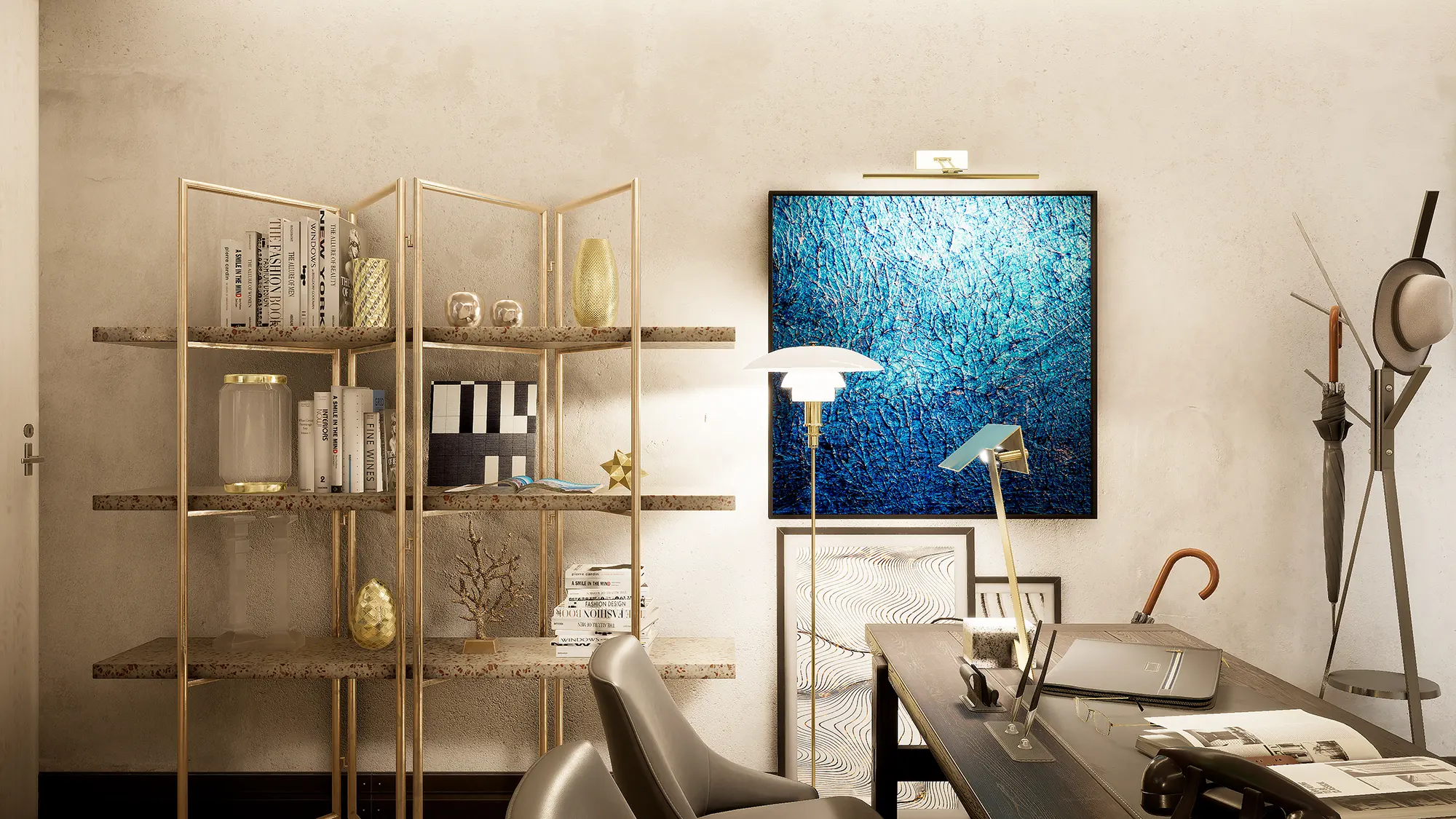
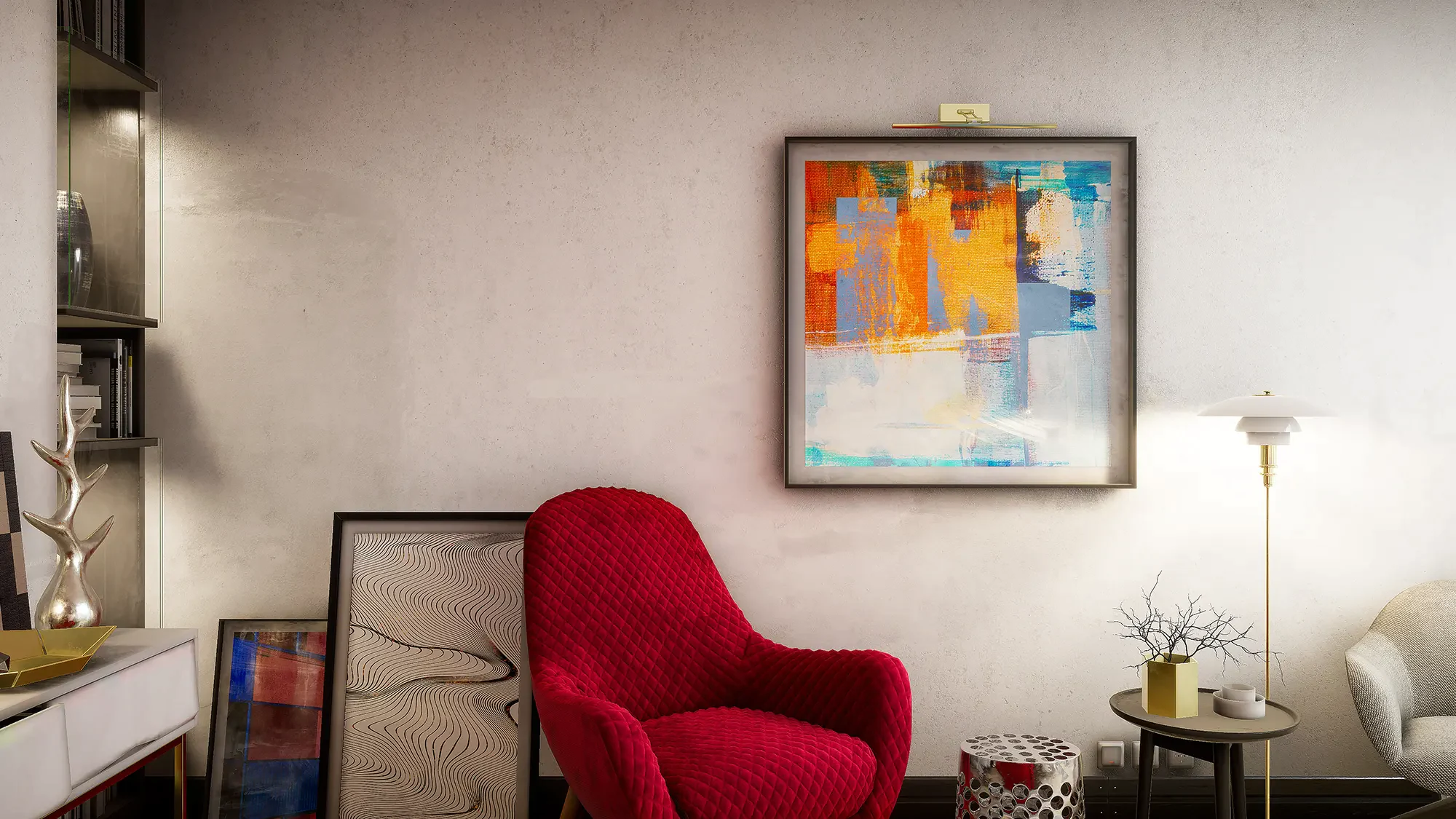
SolidRender Execution: Don’t sell an empty room. Sell a “Ready-to-Rent” product. We provide fully furnished interior renders showing high-durability luxury furniture. This helps you pre-sell room blocks to investors by validating the income potential through commercial interior rendering.
Visualizing the “Fan Experience”
For mixed-use developments near Hard Rock Stadium, we are creating specific “Event Mode” renders.
Day Mode: Shows the plaza as a calm, family-friendly shopping district.
Night Mode: Shows the same plaza activated with large screens, outdoor dining, and crowds, proving to commercial tenants that this location will be a goldmine during the World Cup.
3: The “Wellness” Migration (Biophilic Design)
Among the emerging Florida real estate trends, the demand for “Wellness Architecture” is driving the highest premiums. The demographic moving to Florida in 2026 isn’t just retirees; it’s tech workers from California and finance executives from New York. They are bringing a specific demand: Biophilic Design.
They want “Wellness Architecture” homes that actively improve their health. This is a massive shift from the “glitz and glam” of 2020.
The “Indoor-Outdoor” Blur
This is the #1 requested feature for 3D rendering services in Florida.
The Technical Fix: Florida sun is harsh. If you render a living room with standard lighting, the ocean view outside will look blown out (white), or the interior will look too dark. This kills the emotional connection.
Our Lighting Engine: We simulate “Human Eye Exposure.” We balance the bright exterior with cool, shadowed interiors, ensuring the transition looks seamless. We visualize the glass doors open, connecting the limestone floor of the living room directly to the pool deck.
Circadian Lighting & Air Quality
How do you visualize invisible features like air quality?
Lighting: We create “Time of Day” sequences. We show the bedroom at 7:00 AM filled with cool, energizing blue light, and the same room at 9:00 PM bathed in warm, melatonin-inducing amber light. This sells the technology of the home.
Air Flow: We render “Cross-Ventilation” diagrams that look like high-end art, showing how fresh ocean breezes move through the home, reducing the need for AC.
4: Visualizing “Insurability” (The Technical Edge)
This is the most important trend on the list. Marketing is no longer just about beauty; it’s about technical proof.
In a market where insurance deals fall through at the last minute, developers are using our “Digital Twin” models to negotiate with insurance underwriters and zoning boards.
The “Flood Proof” Render Package
We now offer a specific rendering package designed for Insurance Confidence. We strip away the pretty furniture and highlight the engineering:
Impact Rating Callouts: Visualizing the thickness of the hurricane glass.
Hydrostatic Vents: Zooming in on the vents that allow floodwaters to pass through the garage without damaging the structure.
Grade Beams: Highlighting the reinforced concrete foundation.
Why it works: When an investor sees a photorealistic image of how the building survives a hurricane, their checkbook opens faster.
5: The Shift to “Micro-Communities”
Gone are the days of the sprawling 2,000-home golf course subdivision. In 2026, the trend is “Agri-hoods” and “Micro-Communities.”
The “Agri-hood” Visualization
Developers are replacing golf courses with community farms and botanical gardens.
The Challenge: Selling a “farm” to a luxury buyer can sound like hard work.
The Visual Solution: We render the “Harvest Experience.” We show residents enjoying a wine tasting in the community vineyard or picking organic vegetables in a manicured raised-bed garden. We frame agriculture as leisure, not labor.
Conclusion: Don’t Just Build, “Pre-Experience”
In 2026, the Florida real estate trends market rewards those who can prove value before concrete is poured. You can’t just promise luxury; you have to prove resilience.
Whether you are building a “FIFA-ready” hotel in Miami or a storm-proof estate in Tampa, you need visual assets that do the selling for you. The developers who win in 2026 will be the ones who use visualization to answer the hard questions about insurance, safety, and ROI before the buyer even asks them.
Ready to launch your 2026 project? Stop selling floorplans. Start selling the future. Contact SolidRender today to turn your blueprints into resilient, high-profit assets.