In the high-stakes world of Miami real estate, “Brickell” is more than a neighborhood; it is a brand. It symbolizes the climax of Miami’s 2020-2025 boom, a dense canyon of glittering glass towers, international capital, and record-breaking price-per-square-foot valuations. For years, the strategy for developers was simple: build close to Brickell, build high, and cover it in glass.
But as we settle into 2026, the wind has shifted. The Brickell market is mature, saturated, and increasingly expensive to enter. The profit margins that fueled the last decade are shrinking under the weight of land costs.
Smart capital, the developers looking for the next wave of explosive growth, not just capital preservation is moving north. They are targeting a neighborhood that looks, feels, and functions completely differently than the financial district: Little River.
The Core Question: Is Little River the Next Brickell?
The question on every investor’s mind is: “Is Little River the next Brickell?”

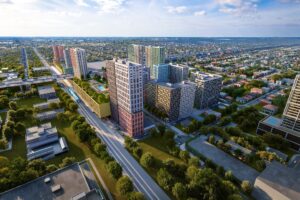
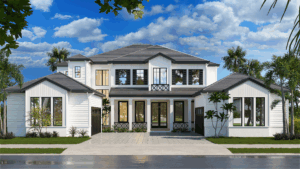
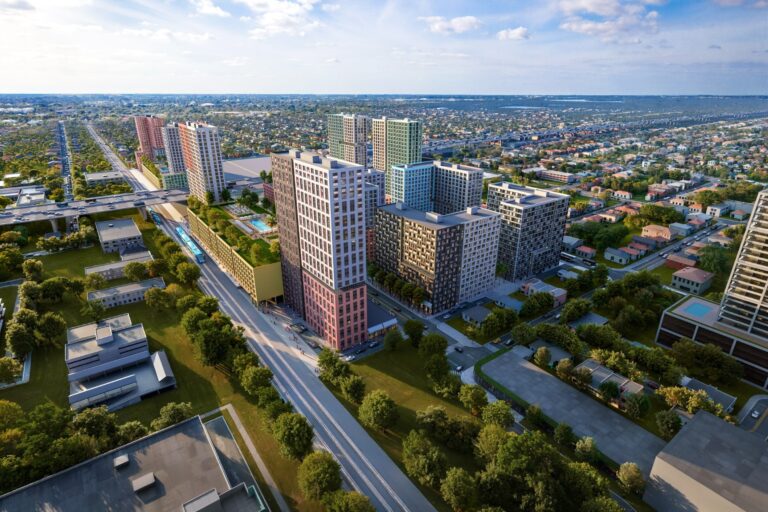
Credit: SG Holdings.
At SolidRender, we believe the answer is yes, but with a critical caveat. Little River is the next hub of economic growth, but it is not Brickell 2.0. It is something entirely new for Miami: an authentic, creative, tech-driven urban core.
The Visual Trap: Avoiding the “Glass Tower” Mistake
For developers, this distinction is the difference between success and failure. As a leading studio for architectural rendering services in Florida, we have seen that you cannot sell Little River using Brickell’s marketing playbook.” The buyer demographic, the architectural soul, and the urban fabric are radically different. If your visual marketing, your rendering strategy, tries to force a square peg into a round hole by presenting shiny glass towers in an industrial neighborhood, the market will reject it.
This guide analyzes the Little River Miami real estate investment 2026 landscape through a visual lens. We will explore why the aesthetic is shifting and how to ensure your project’s marketing assets align with the reality of this emerging market.
The Tale of Two Cities: A Visual Contrast
To understand how to market Little River, we must first understand what it is replacing in the investor’s mindset. The Little River vs Brickell development comparison isn’t just about geography; it’s about the psychology of “Old Money” versus “New Energy.”
The Brickell Aesthetic: The “Corporate Citadel”
Brickell is Miami’s Manhattan. Its visual language is one of dominance, exclusivity, and verticality.
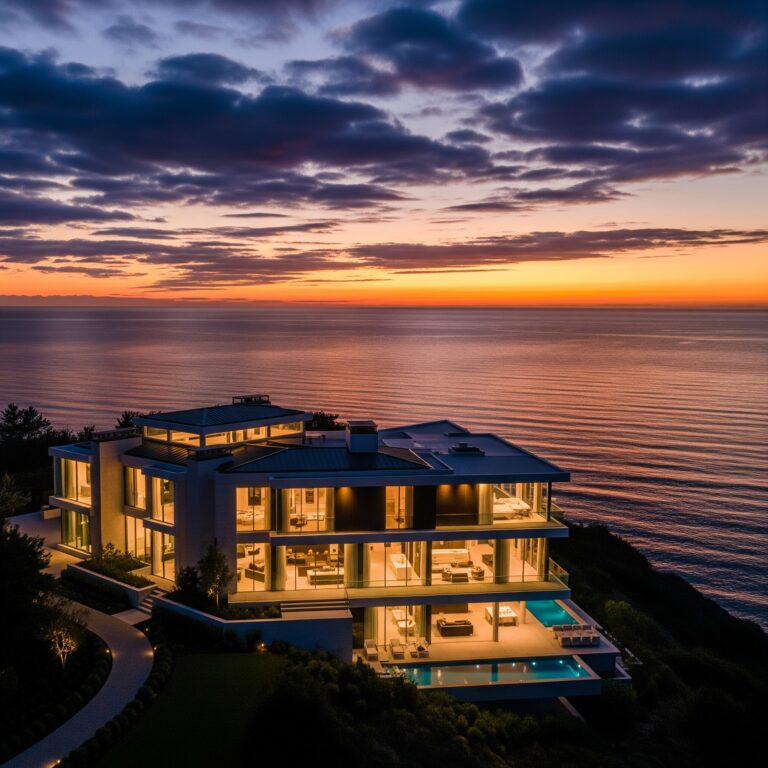
Materials: Highly reflective blue or green curtain wall glass, polished steel, and white stucco.
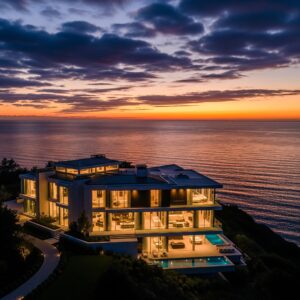
The Rendering Strategy: When we render for Brickell, the focus is on the view. The camera is usually placed at a helicopter angle (the “hero shot”) to emphasize the building’s sheer scale against Biscayne Bay. The goal is to project international luxury and corporate power. The street level is often secondary to the pool deck level.
The Little River Aesthetic: The “Creative Canvas”
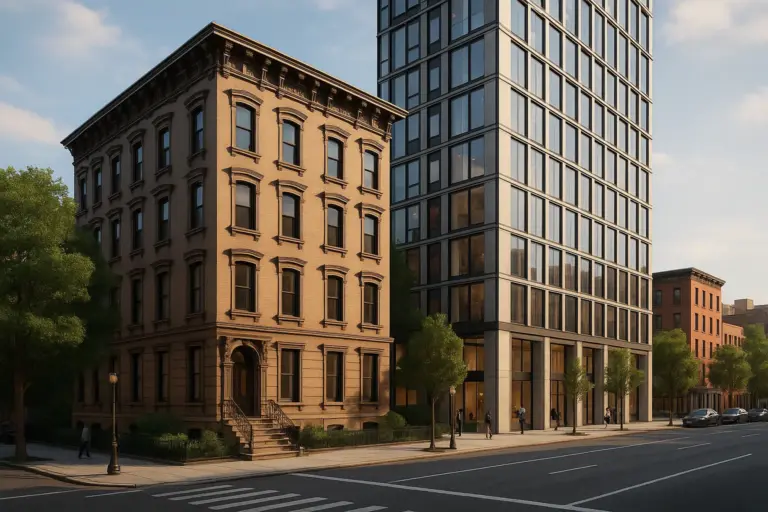
Little River is Miami’s Brooklyn (specifically, Williamsburg or Bushwick). Its history is industrial—warehouses, logistics centers, and light manufacturing. Its visual language is one of texture, authenticity, and human scale.
Materials: Exposed brick, board-formed concrete, weathered timber, large industrial-style metal windows (Crittall style), and vibrant murals.
The Rendering Strategy: When we render for Little River, the focus is on the vibe. The camera is brought down to eye level. We emphasize the tactile quality of the materials, the roughness of the brick, the patina on the metal. The goal is to project creativity, connectivity, and a “cool factor” that money can’t buy in Brickell.
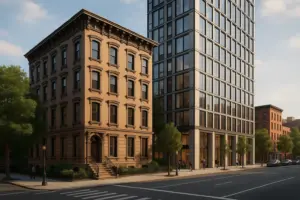
The Strategic Mistake: The biggest error we see developers make in 2026 is buying land in Little River and hiring a generic rendering firm to produce “Brickell-style” images. A gleaming, futuristic glass tower dropped into the middle of a gritty warehouse district doesn’t look luxurious; it looks alien. It signals to the savvy buyer that the developer doesn’t understand the neighborhood.
To win in Little River, your visuals must embrace its industrial soul, not hide it.
The $3 Billion Catalyst: The “Swerdlow Effect”
Why is this happening now? Why is 2026 the tipping point?
While organic growth has been happening for years, the massive catalyst is the approval and commencement of major master-planned districts. The most notable is the massive Swerdlow Group Little River project, a multi-billion dollar initiative set to transform the area with thousands of new residential units, retail space, and a dedicated commuter rail station.
This project legitimizes the neighborhood for institutional capital. It signals that the infrastructure is coming to support density.
The Challenge for Mid-Sized Developers
If you are a developer building a 50-unit boutique condo or a mixed-use project nearby, the Swerdlow project is both a blessing and a challenge. It brings the buyers, but it also creates massive noise.
How do you stand out against a mega-project? Contextual Rendering.
You cannot compete on scale. You must compete on character. Your rendering strategy needs to show how your specific project weaves into this new urban fabric.
Visualizing Connectivity: Don’t just render your building in a void. Show how your ground-floor retail connects to the new sidewalks that lead to the commuter rail station.
The “Boutique” Advantage: While the mega-projects will have massive towers, your smaller project offers exclusivity. Your renders should highlight intimate spaces, a private rooftop garden, a curated lobby art gallery that feel personal in contrast to the massive scale happening next door.
We help developers visualize their projects not just as standalone buildings, but as integral pieces of the new, booming Little River puzzle.
Defining the “New Luxury”: Adaptive Reuse and Industrial Chic
In Brickell, luxury means imported Italian marble and gold fixtures. In Little River, luxury means authenticity. The highest premiums per square foot in this neighborhood are going to projects that embrace Miami adaptive reuse rendering principles.
Buyers in this demographic are willing to pay more for a unit inside a renovated 1950s warehouse with 14-foot ceilings and original concrete columns than for a brand-new, generic drywall box.
The Technical Challenge of Rendering “Grit”
Creating photorealistic images of “perfect” materials like glass and polished stone is actually quite easy for most rendering software. The computer loves perfection.
Creating photorealistic images of “imperfect” materials weathered brick, stained concrete, rusted steel, is extremely difficult. It requires a higher level of artistry to ensure it looks “premium industrial” and not just “run-down.”

At SolidRender, we specialize in these textures. We understand how lighting interacts with rough surfaces.
Lighting Strategy: We use warmer, golden-hour lighting in our Little River renders to make raw concrete feel inviting and soft, rather than cold and bunker-like.
Detailing: We add subtle imperfections, a slight variation in the brick color, the texture of timber grain on balcony ceilings, that subconsciously signal authenticity to the buyer.
If your architect is designing an adaptive reuse or industrial-inspired new build, your renderer must have the technical skill to make that “grit” look expensive.
Knowing the Buyer: Suits vs. Sneakers
The ultimate purpose of an architectural rendering is to allow a prospective buyer to see themselves in the space. If the person you put in the render (the entourage) doesn’t match the actual buyer, the emotional connection is broken.
The demographic shift from Brickell to Little River is stark.
The Brickell Buyer Persona
Who they are: International investors, finance executives, lawyers, second-home buyers.
What they want: Status, security, concierge services, valet parking.
How we render them: Men in tailored suits, women in cocktail dresses, luxury sedans in the driveway. The vibe is formal and transactional.
The Little River Buyer Persona
Who they are: Tech entrepreneurs, creative directors, digital nomads, “Crypto-natives,” and young professionals seeking workforce housing marketing Miami solutions that don’t feel “cheap.”
What they want: Connectivity (digital and physical), community, walkability, unique amenities (podcast studios, maker spaces).
How we render them: People in high-end casual wear (sneakers, designer t-shirts), working on laptops in common areas, carrying yoga mats, walking dogs. The vibe is energetic, collaborative, and casual.
The “Amenity” Visualization Shift This persona shift dictates what rooms we render. In Brickell, the “money shot” is the formal dining room or the master bath spa. In Little River, the “money shot” is the co-working lounge. We render these spaces not as sad, leftover basement rooms, but as vibrant, sunlit hubs that look like a high-end tech office. We show them activated with people collaborating, proving to the investor that this building will attract high-quality tenants who work remotely.
The “Connected City”: Visualizing Beyond the Property Line
Perhaps the biggest difference between the two neighborhoods is the relationship with the street. Brickell is designed primarily for cars; tall towers sit atop massive parking pedestals, disconnecting the residents from the sidewalk.
Little River is being designed for people. It is about walkability, transit, and street-level culture.
Therefore, your Exterior Rendering strategy must change. You cannot just render the building; you must render the urban lifestyle.
The Ground Floor Experience: A huge percentage of a project’s value in Little River is derived from its ground-floor retail. Our renders focus heavily on activating this space. We show bustling cafes with outdoor seating, boutique shops, and wide, landscaped sidewalks. We prove that the building contributes to the neighborhood’s energy.
The Transit Connection: If your project is near the proposed commuter rail, that is a massive selling point. We create aerial diagrams or specific viewpoints that visually compress the distance, showing just how close the transit option is to the front door.
In Little River, you are selling the neighborhood as much as you are selling the unit. Your visuals must reflect that integration.

Conclusion: The Visual Strategy is the Sales Strategy
Is Little River the next Brickell? Economically, perhaps. But visually, absolutely not. It is something better suited for the 2026 market: authentic, connected, and resilient.
As capital floods into this new district, the developers who win will be the ones who understand this aesthetic shift. They won’t try to impose the shiny, dated look of the past decade onto a neighborhood that demands texture and soul.
Your renderings are your first line of offense in this new market. They are the first thing investors see, and they set the tone for the entire project’s brand. Don’t trust this critical translation to a generalist firm that treats every project like a Miami Beach high-rise.
At SolidRender, we understand the nuance of Miami’s emerging neighborhoods. We know how to visualize the “Industrial Chic” aesthetic, the creative demographic, and the urban energy that defines Little River in 2026.
Are you planning a project in Little River? Contact SolidRender today. Let us help you create a visual strategy that captures the true value of Miami’s next great neighborhood.