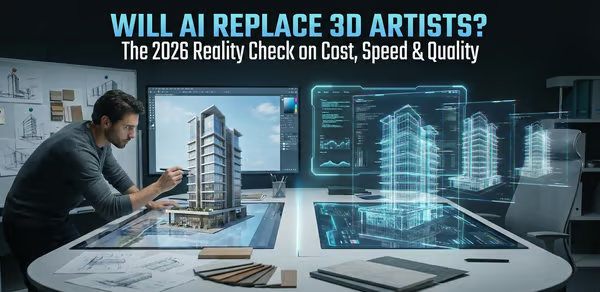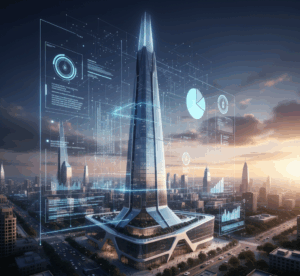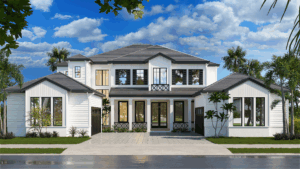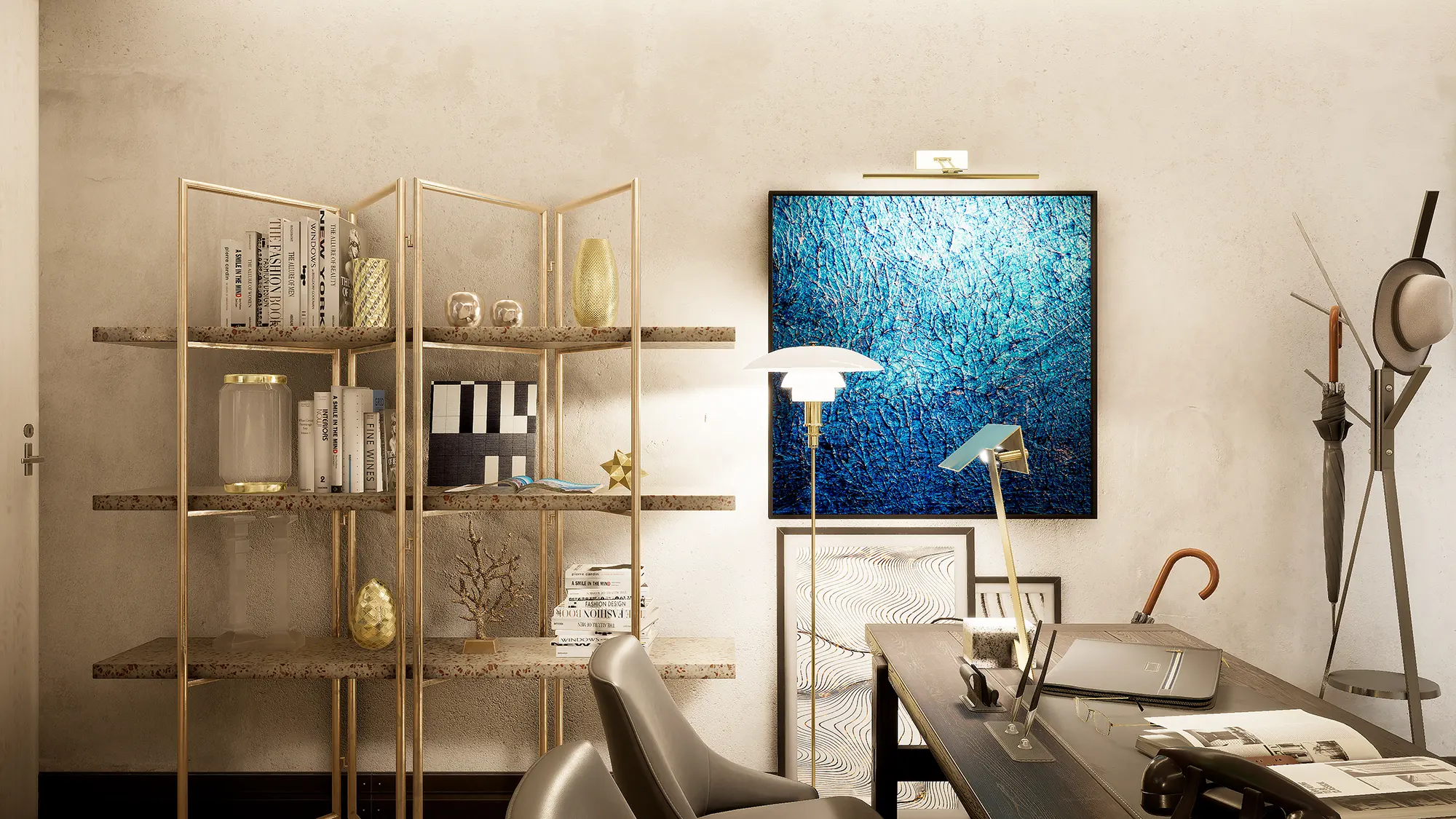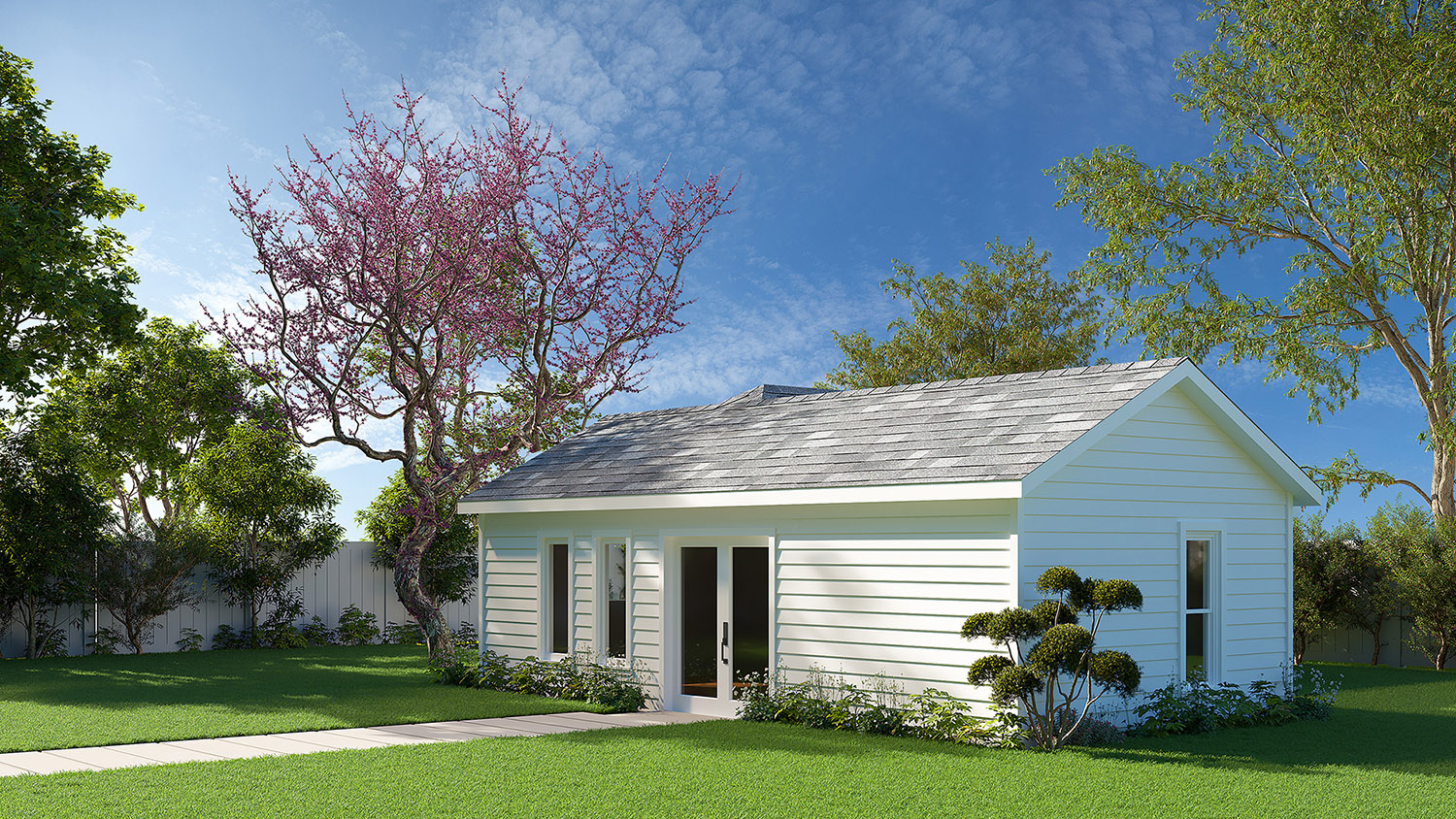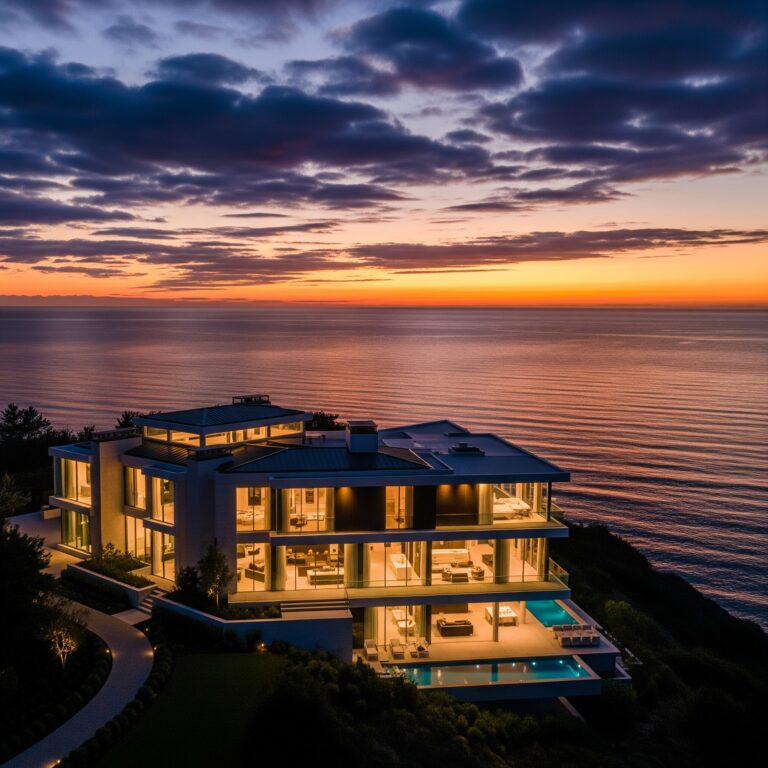
Back in 2023, the architectural world was in a panic, obsessed with one question: Will AI replace 3D artists? When tools like Midjourney and DALL-E first exploded onto the scene, the headlines were apocalyptic: “The End of the 3D Artist,” “Architects Will Just Type Prompts,” and “Rendering is Dead.”
Key Takeaways: Will AI replace 3D artists in 2026
No Replacement: AI is not replacing artists; it is replacing slow workflows.
Cost Reality: “Pure AI” is cheap ($50) but legally risky. “Hybrid” is the ROI sweet spot.
Legal Safety: US/EU Copyright laws in 2026 do not protect pure AI images. You need human authorship.
SolidRender’s Edge: We use a Hybrid Workflow to cut costs by 30% without sacrificing accuracy.
Now, as we approach 2026, the dust has settled. The hysteria has been replaced by data.
The question isn’t “Will AI replace 3D artists?” that question is outdated. The real question developers and architects are asking in 2026 is: “Is it safe, cheaper, and better to use AI for my project?”
At SolidRender, we believe in radical transparency. We don’t fight technology; we use it. But we also know where it breaks. In this “State of the Industry” report, we are going to pull back the curtain on the true cost, speed, and quality differences between pure AI, traditional rendering, and the new “Hybrid Workflow.”
If you are a developer looking to cut costs without getting sued, or an architect wanting to know if your job is safe, this is your reality check.

Why the “Replacement” Panic Was Wrong
To understand the future, we have to look at the last two years. The prediction was that by 2026, an architect could upload a CAD file into an AI, type “luxury condo,” and get a perfect, permit-ready image.
That didn’t happen.
Instead, we saw the rise of the “Uncanny Valley of Architecture.” AI became incredibly good at making pretty images, but terrible at making accurate ones. It could render a stunning skyscraper in seconds, but it would often forget to put in a front door, or it would invent a staircase that led to a ceiling.
The “Intent” Gap
The fundamental reason AI hasn’t replaced human artists is Intent.
AI operates on probability. It guesses what a pixel should look like based on millions of other images.
3D Artists operate on instruction. We know why a beam is there. We know the local zoning laws require a specific setback. We know the shadow must fall exactly at 45 degrees because you are selling the “morning light” to a client.
In 2026, AI is not the architect; it is the hyper-fast sketchpad. The studios that ignored AI went bankrupt. The studios that let AI do everything got sued. The winners and where SolidRender sits, are the Hybrid Studios.
Cost Comparison: Pure AI vs. Human 3D Artists
This is the #1 thing our clients search for: “AI architectural visualization cost.” Let’s break down the numbers.
The industry has split into three pricing tiers. It is crucial for developers to understand what they are buying, because the cheapest option often becomes the most expensive mistake.
1. The “Pure AI” Tier (The $50 Gamble)
There are now services where you can pay extremely low rates for “AI-generated renders.”
Cost: $50 – $100 per image.
Speed: Minutes to Hours.
The Catch: You have zero control.
If you ask to “move the window 6 inches to the left,” the AI has to regenerate the entire image. You might get the window moved, but suddenly the sofa color has changed, and the lighting is different.
Verdict: Great for mood boards and internal brainstorming. Useless for pre-selling real estate.
2. The “Traditional” Tier (The Old Way)
This is 100% manual modeling, texturing, and lighting, with no AI assistance.
Cost: $500 – $3,000+ per image.
Speed: 5 – 10 Days.
The Catch: It’s slow. The quality is perfect, but you are paying for hours of “grunt work” manually placing individual blades of grass or testing 20 different sky textures.
Verdict: Reliable, and increasingly efficient for tight deadlines too.
3. The SolidRender “Hybrid” Tier (The 2026 Standard)
This is where the smart money goes. We use AI to handle the tedious textures, crowds, and atmosphere, while human artists build the geometry and lighting.
Cost: Competitive (Often 20-30% cheaper than traditional).
Speed: 3 – 7 Days.
The Benefit: You get the speed of AI with the control of a human.
Need to move that window? Our human artist moves it in the 3D model.
Need photorealistic people walking in the rain? Our AI tools generate them instantly.
Verdict: The highest ROI for marketing materials.
The Bottom Line: AI didn’t make high-end rendering “free.” It made it faster, which allows us to charge you less for the grunt work and focus our time on the artistic details that actually sell the property.
The Quality Gap: Where AI Still Fails (The Problem)
Why can’t you just use Midjourney v7 for your billboard?
If you are selling a vibe, you can. If you are selling a product, you absolutely cannot. AI suffers from “hallucinations” confident errors that look real at a glance but fall apart under scrutiny.
1. Non-Euclidean Geometry
In 2025, we still see AI generating “Escher-like” mistakes. It might render a beautiful spiral staircase, but if you look closely, the steps merge into a slide, or the handrail disappears into a wall.
The Risk: If a potential buyer spots a structural impossibility in your brochure, they subconsciously lose trust in the build quality. “If they can’t even draw the stairs right, how will they build them?”
2. Specific Furniture Matching
Interior designers often specify exact pieces: “I need the Roche Bobois Mah Jong sofa in Missoni fabric.”
AI: Can generate a “colorful modular sofa.” It cannot generate the exact product unless it accidentally plagiarizes a catalog photo.
SolidRender: We model the specific sofa effectively, ensuring the client sees exactly what they are buying.
3. Consistency Across Views
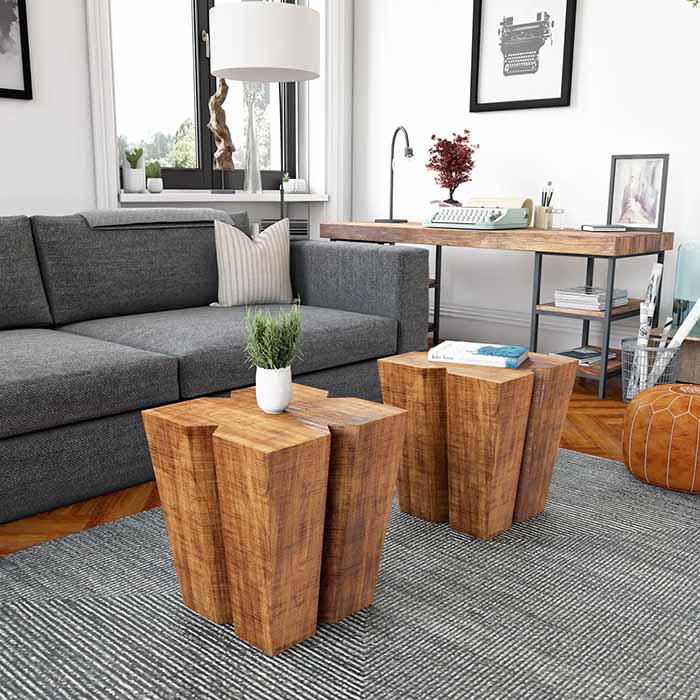
This is the holy grail of ArchViz. You need a view of the kitchen from the living room, and a view of the living room from the kitchen.
AI: Struggles to keep the room “permanent.” In View A, the floor is oak. In View B, generated 5 minutes later, the floor is walnut.
Human Artist: We build a single “Digital Twin” of your space. We can take a virtual camera and snap 100 photos from different angles, and the room remains physically consistent.
The “Copyright Trap”: The Hidden Danger for Developers
This is the most critical section of this article. If you are a developer, read this carefully.
As of the latest US Copyright Office rulings and EU regulations in late 2025, works created entirely by AI cannot be copyrighted.
What Does This Mean for You?
Imagine you use a cheap “Pure AI” service to generate stunning marketing images for your new development, “The Azure Tower.” You put these images on billboards, Zillow, and your website.
Because those images were created by a machine (non-human), they are effectively in the Public Domain.
Competitors Can Steal Them: A shady competitor could take your exact marketing image, photoshop their logo over yours, and use it to sell their project. You would have no legal grounds to sue them for copyright infringement.
The “False Advertising” Risk: AI tends to “clean up” images. It might erase unsightly power lines, remove a fire hydrant, or smooth out a rough street surface without you asking.
If a buyer purchases a condo based on that view, and then finds a power pole blocking their window, you are liable for false advertising. “The AI did it” is not a valid defense in court.
The Safe Solution
SolidRender’s human-authored 3D models are intellectual property. Because a human artist made creative decisions (setting the camera angle, modeling the geometry, manually adjusting the lighting), our renders are fully copyrightable. When you hire us, you own the assets, and you are protected by the law.
The SolidRender Solution: Our “Hybrid” Workflow
So, how do we deliver top-tier quality without the slow turnaround times of the past? We have pioneered a workflow that integrates the best of both worlds.
Step 1: The “Clay” Phase (Human Precision)
We start by importing your CAD/Revit files into 3D software (3ds Max / Unreal Engine 5). We build the “bones” of the project manually. This guarantees the walls are where they are supposed to be, the height is accurate, and the footprint is legal.
AI Role: None. This requires 100% human accuracy.
Step 2: The Texture & Atmosphere (AI Acceleration)
This is where we save you money. In the past, creating a custom “worn concrete” texture took 4 hours. Now, we use AI tools to generate high-resolution, seamless materials in minutes. We use AI to populate the scene with lifelike 3D people who match the demographic of your target buyer.
Speed Gain: 60% faster than traditional methods.
Step 3: The “Artist’s Touch” (Human Polish)
Finally, a Senior 3D Artist reviews the image. We manually adjust the lighting to highlight the architectural features. We color-grade the image to evoke emotion, warmth, luxury, serenity and we fix any AI glitches.
Result: A copyright-protected, architecturally accurate, emotionally compelling image delivered in days, not weeks.
Conclusion: You Don’t Need AI, You Need an AI-Assisted Artist
Will AI replace 3D artists? No. Will 3D artists who use AI replace those who don’t? Yes, absolutely.
In 2026, technology has democratized average quality. Anyone can make a “pretty good” image for free. But in real estate and architecture, “pretty good” doesn’t sell million-dollar penthouses. Accuracy, emotion, and legal safety do.
At SolidRender, we have moved past the fear. We have embraced the tools that make us faster and cheaper for you, while doubling down on the human expertise that keeps your project safe and stunning.
Ready to see the difference? Don’t risk your project’s reputation on a prompt. Contact us today for a quote on your next project, and get the speed of AI with the guarantee of SolidRender quality.